
About our gîtes
Discover our 2 gîtes in the Dordogne


Once upon a time, the Dauphin-Faure farm
The legacy of Marie Faure
In Saint-Estèphe, in the Dordogne, stands an old farmhouse whose stone walls tell the story of several centuries of life. Built between the XVIᵉ and XVIIIᵉ centuries by an architect from Limoges, it one day passed into the hands of Marie Faure, who inherited it. Together with her husband, Louis Dauphin, they took over the farm, determined to build their future on it.
Farm life
Proud, hardy Limousin cows were reared here, and potatoes were grown in the surrounding fields. Their days were punctuated by work, but also by solidarity, because the Dauphin family were not alone: the Combo, their sharecroppers, lived in the adjoining house, sharing the joys and sorrows of rural life.
The Dauphin-Faure children
This union produced several children: Denise, André, Marinette and Albine, who grew up surrounded by animals, crops and memories woven between generations. Albine Dauphin later married André Puymerail. From their lineage came Louis Maxime, then later Philippe, the current owner.
Renovation after Covid
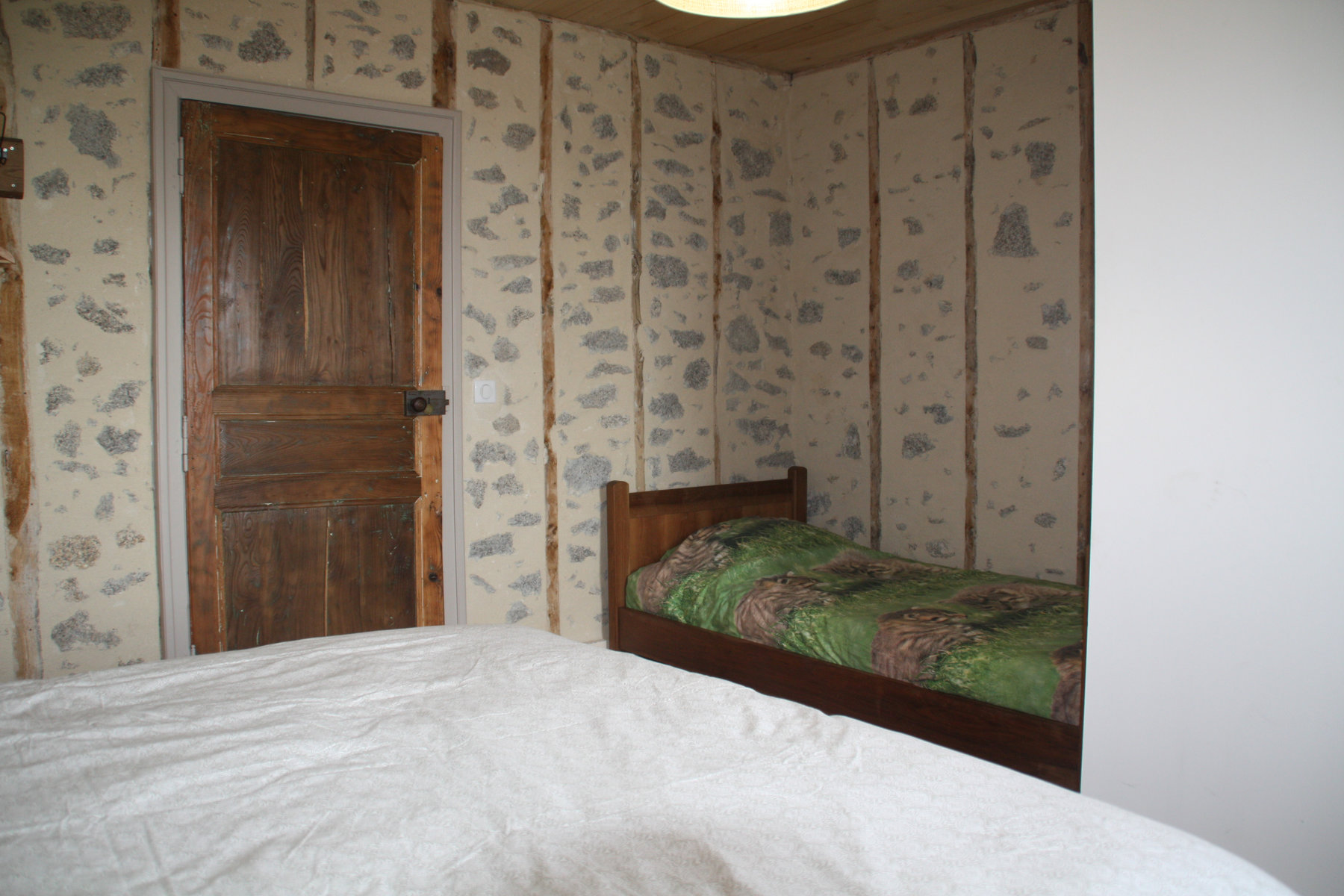
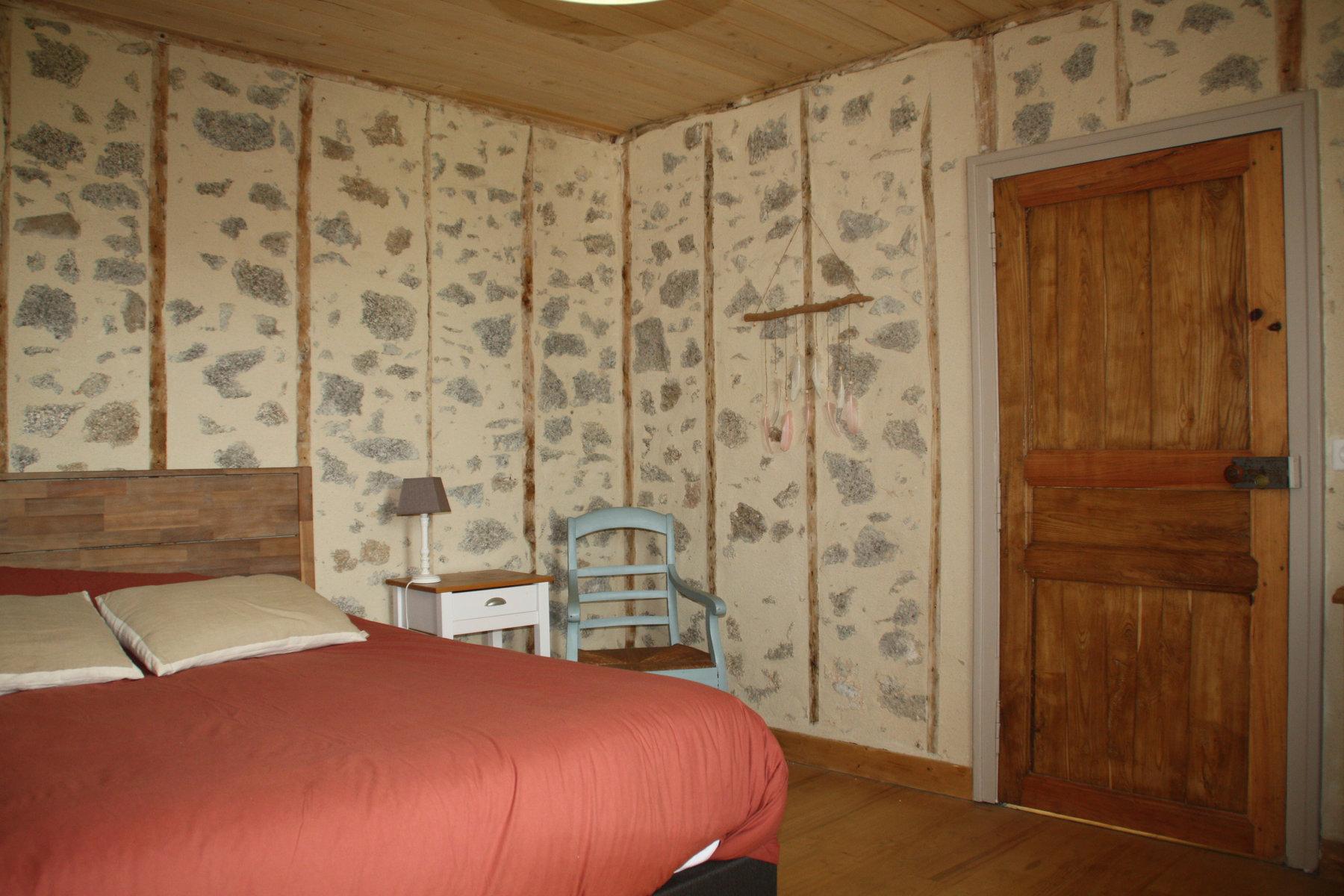
When the Covid pandemic shook the world, Philippe decided to return to his roots. He set about renovating the family estate, respecting the work of his ancestors. With patience, he brought the old stones and centuries-old beams back to life. The materials he chose were noble: wood, stone, wood wool for natural insulation, and fermacell, an ecological panel made from plaster and cellulose fibre, combining solidity and respect for the environment.
The birth of gîtes
The result is two gîtes: the Gîte Dauphin, which sleeps fifteen people, and the more intimate Gîte Combo, designed for six. Two names, two stories, but the same memory: that of a farm where each generation has left its mark.
A farm full of memories
Today, behind the renovated doors, in the evening silence, you can still hear the echo of the elders' laughter, like a breath of gratitude carried by the stones.
And so the Dauphin-Faure farm continues to live on, reminding us all that the courage, hard work and love of our people can stand the test of time, and that every stone, every beam, tells a story for those who know how to listen.

Chez Dauphin
Group gîte for up to 15 people in the Périgord Vert
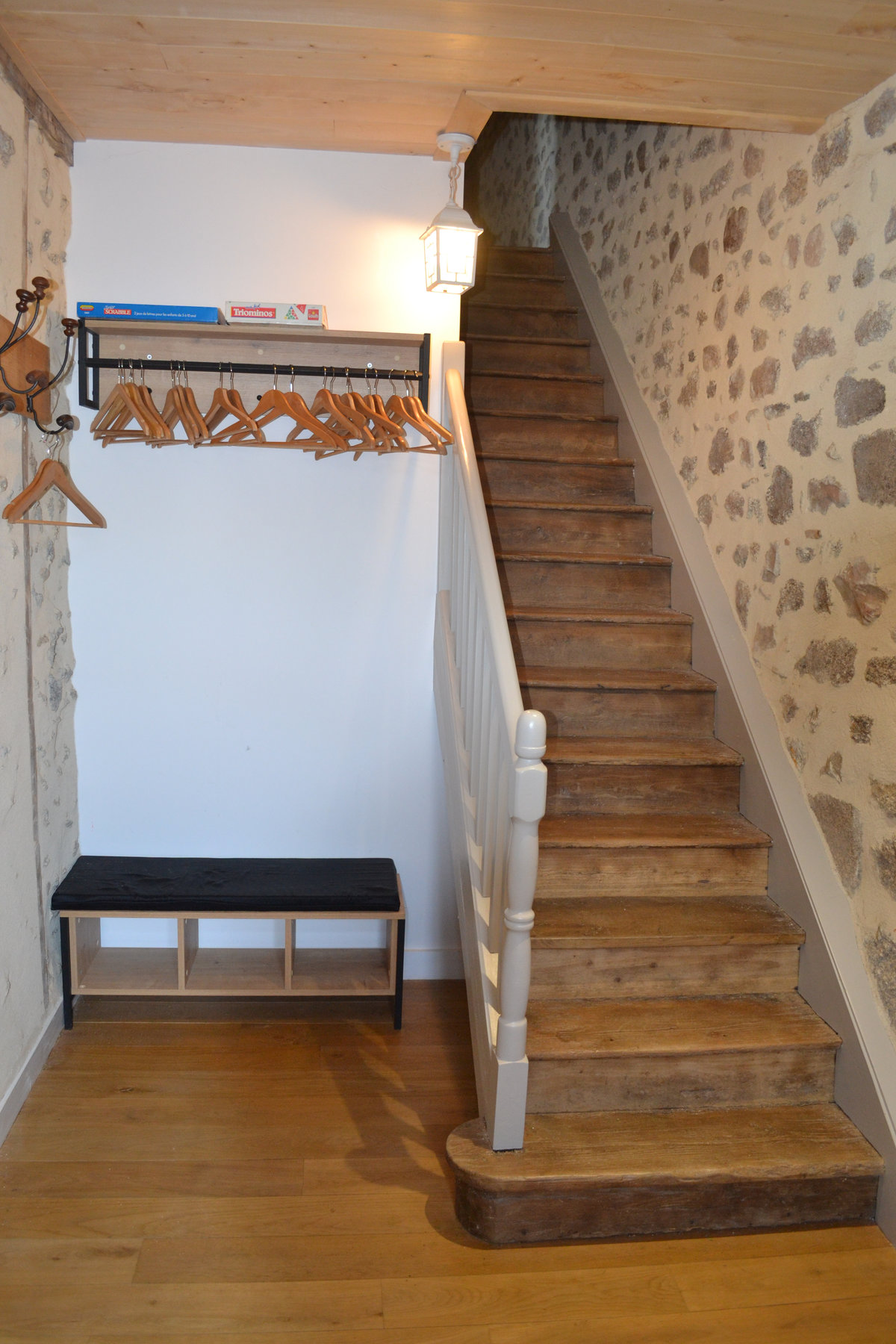
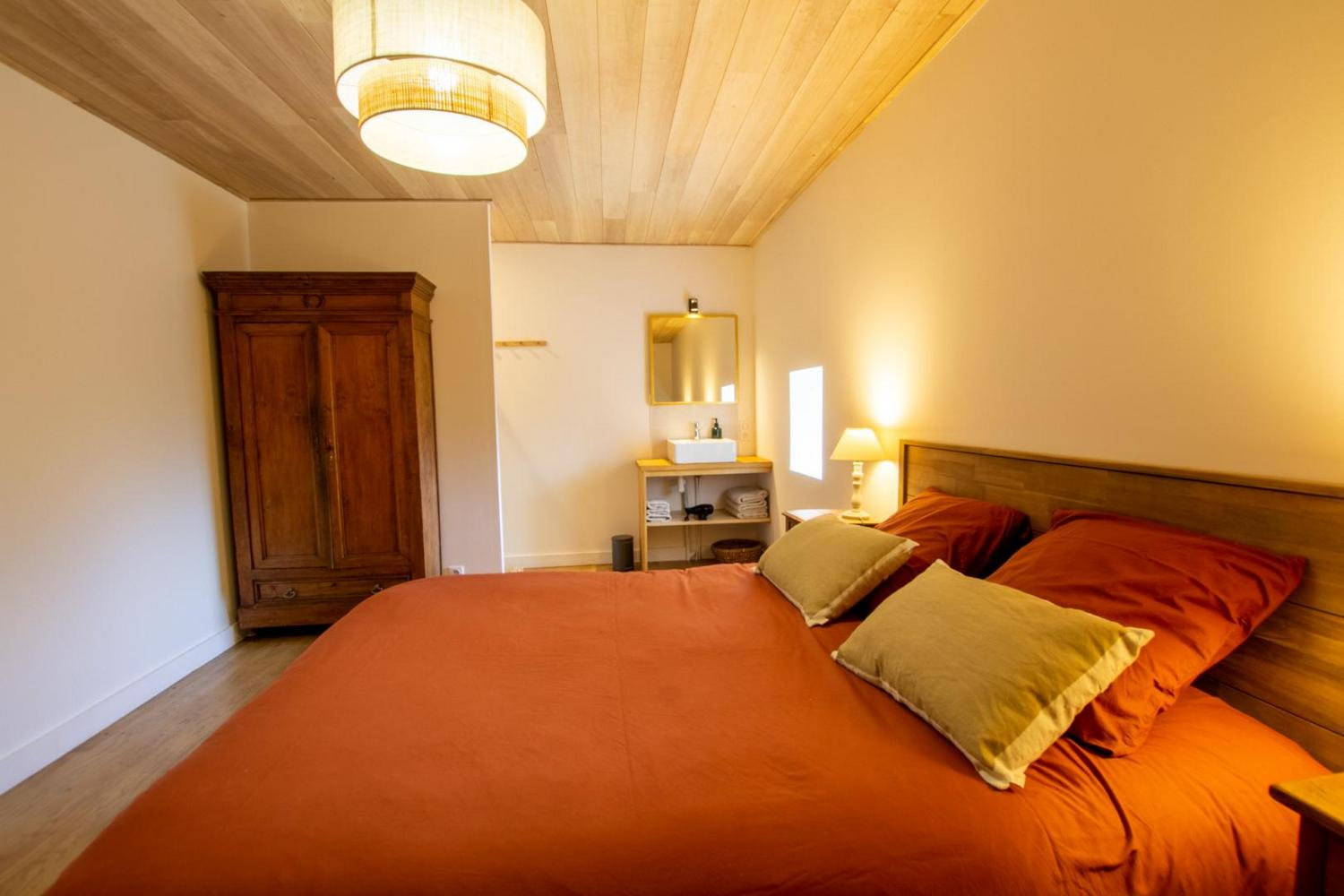
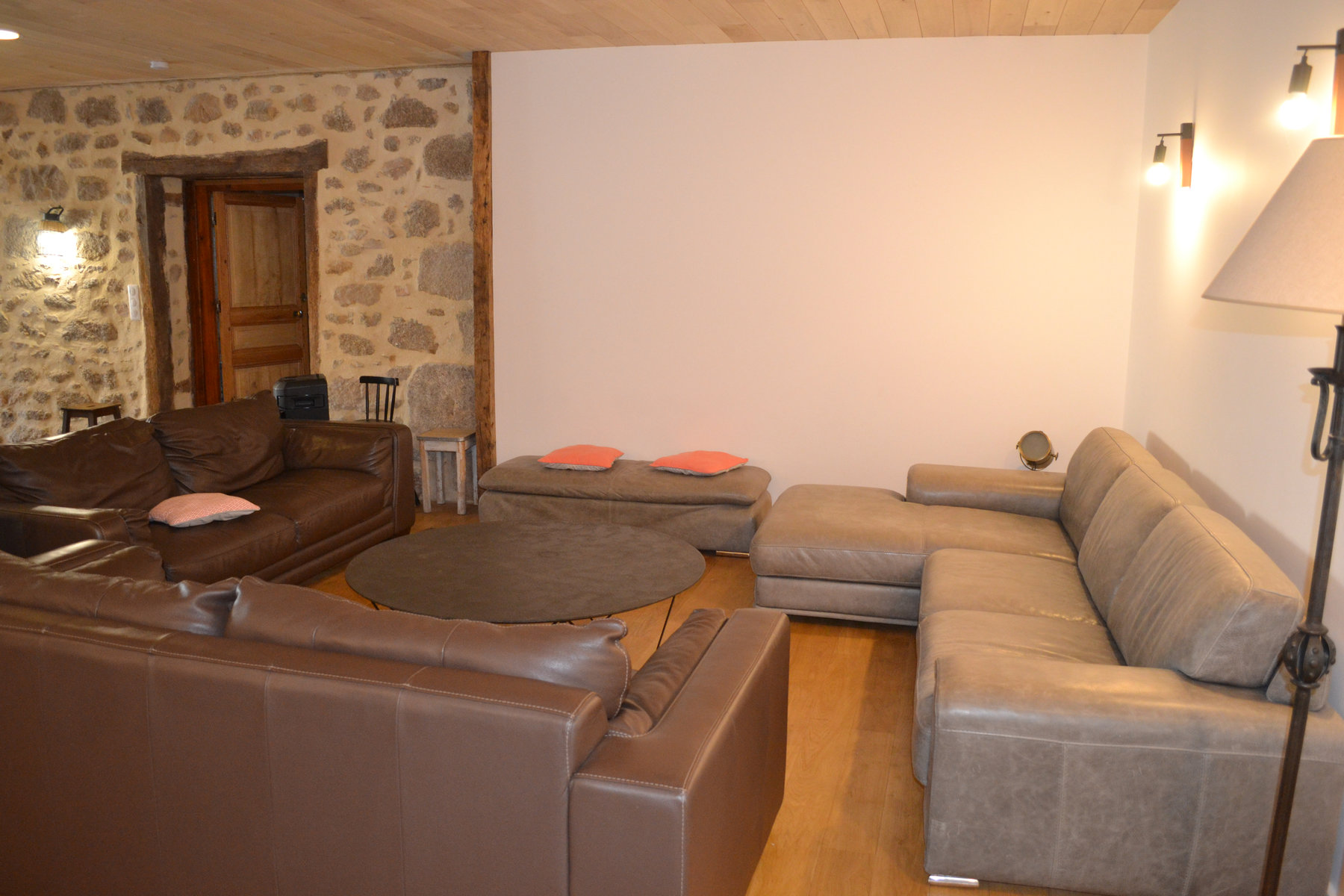
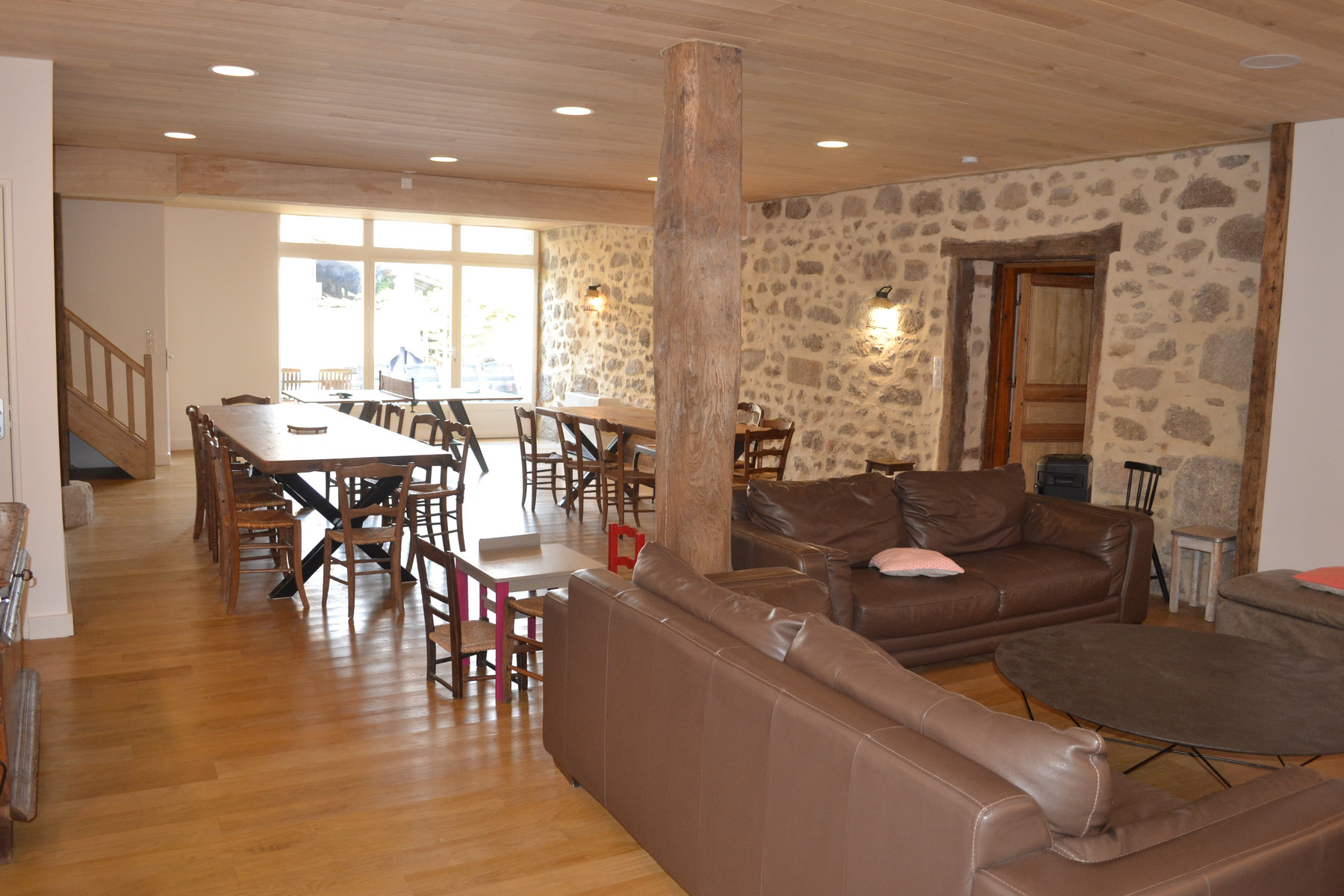
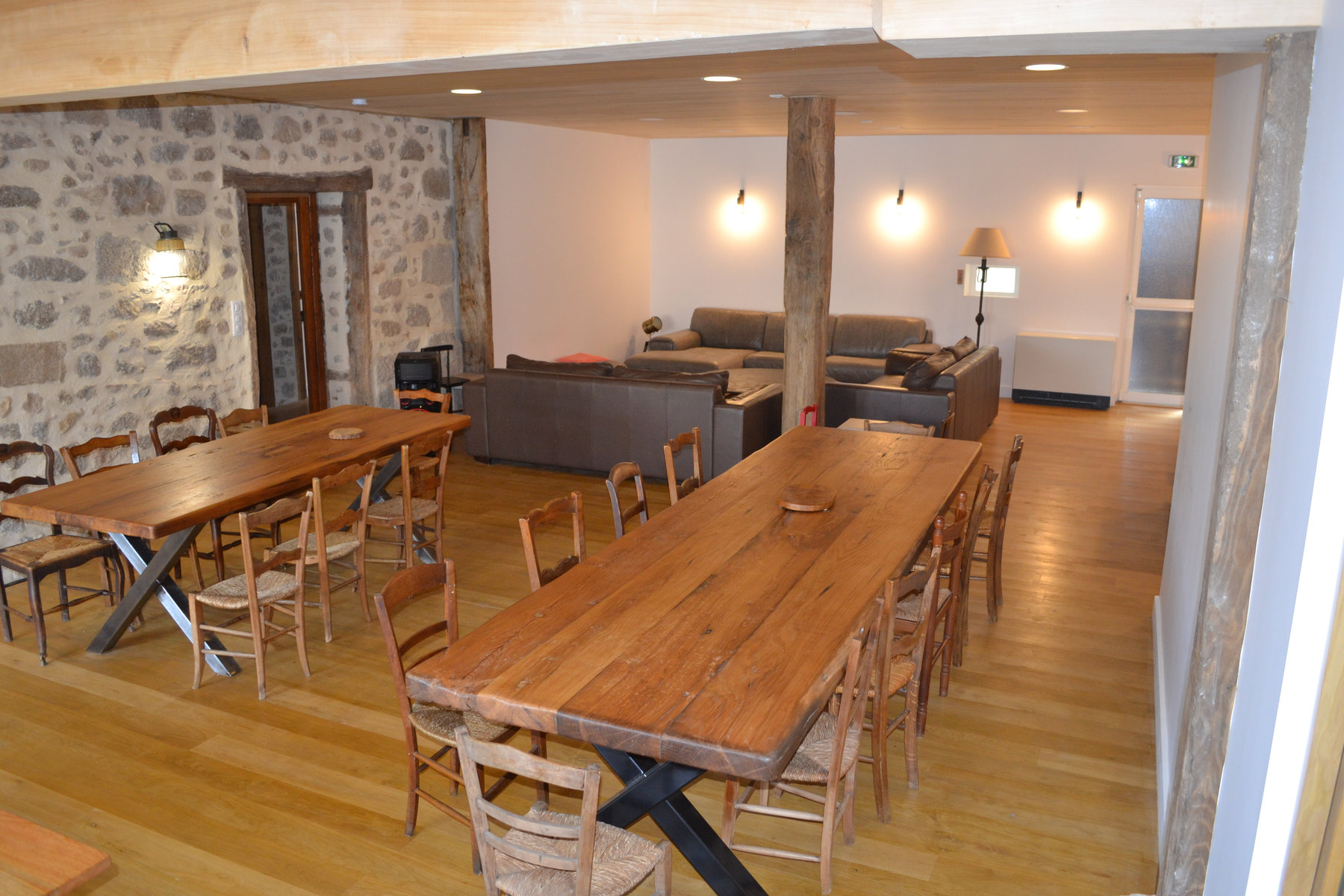
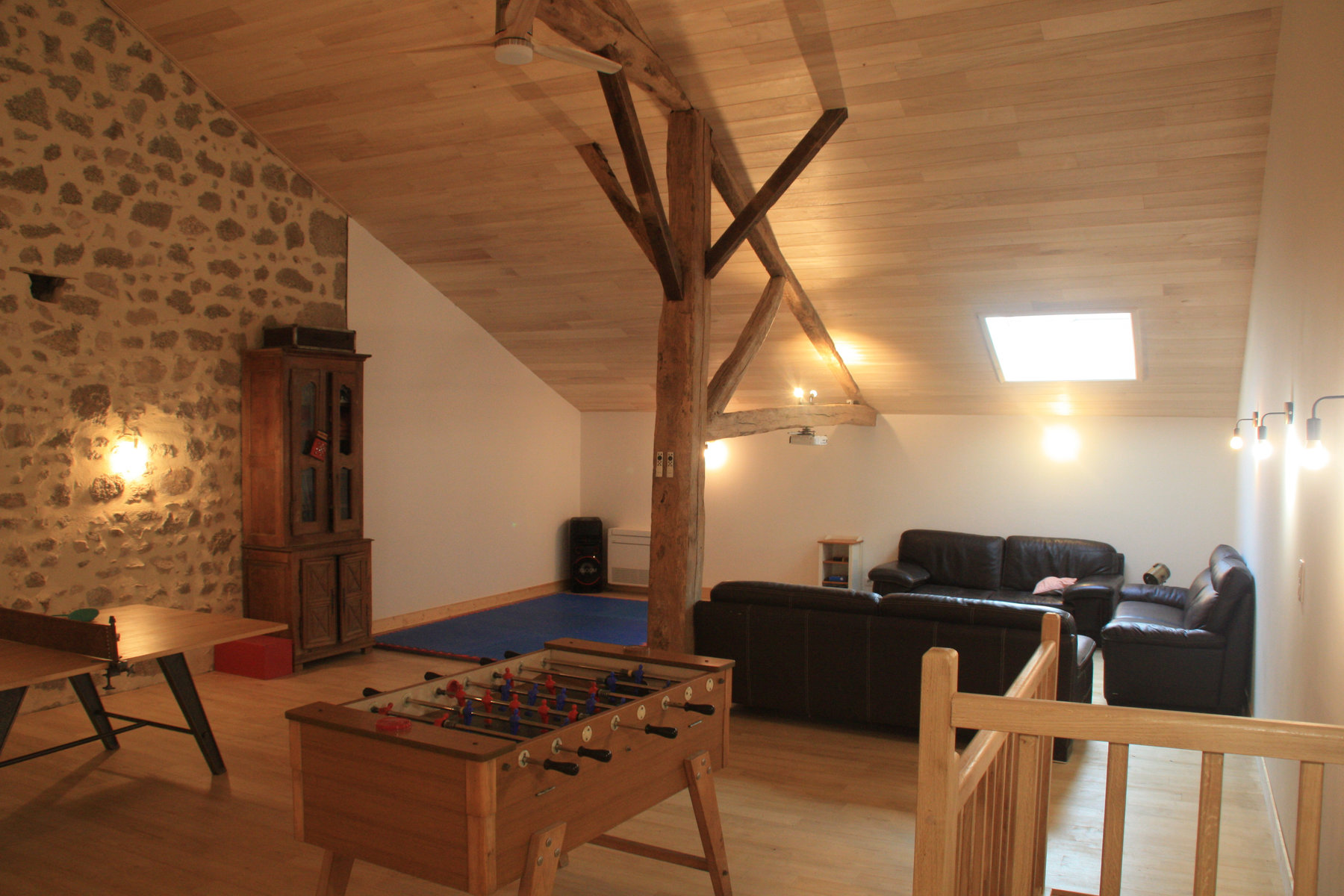
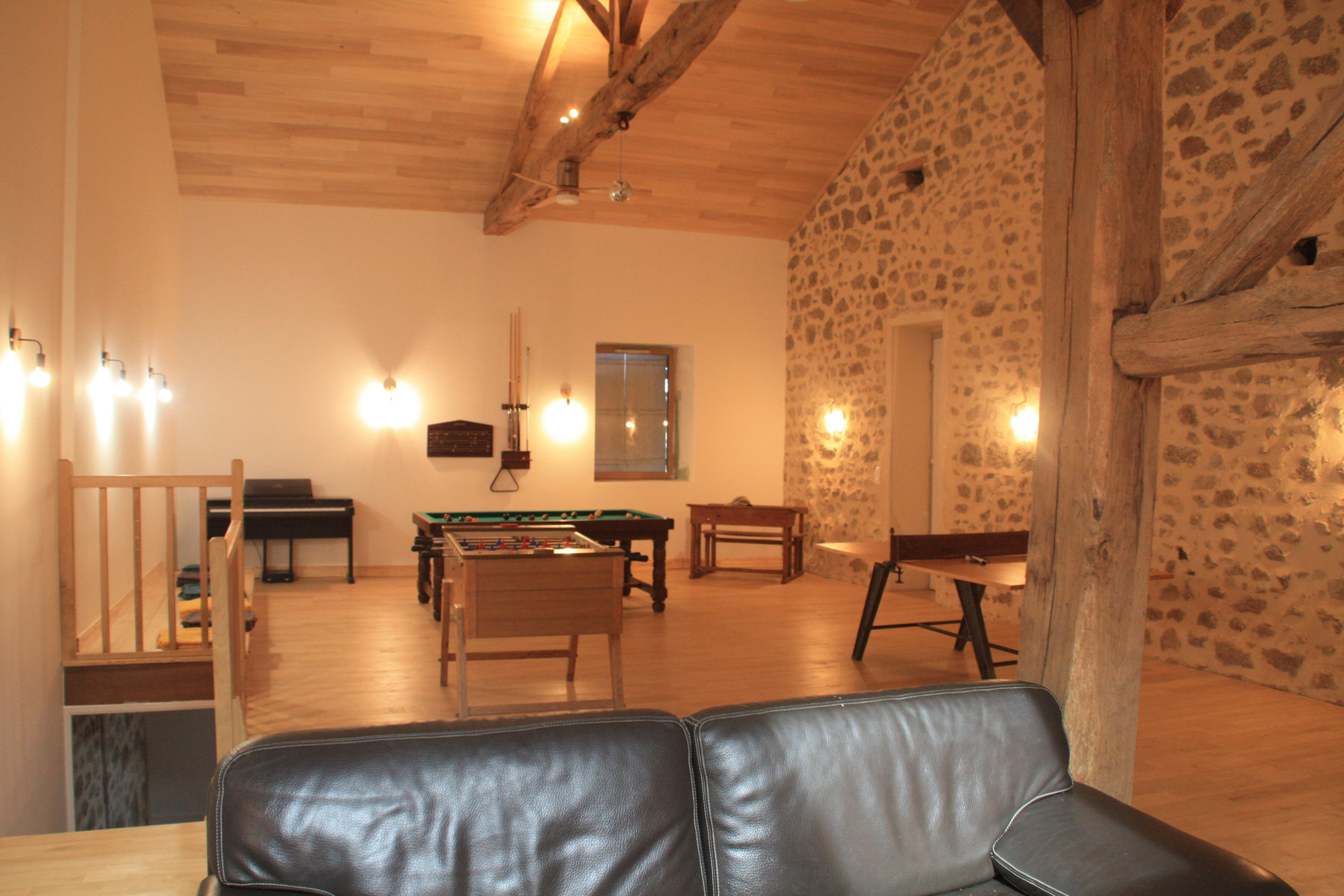
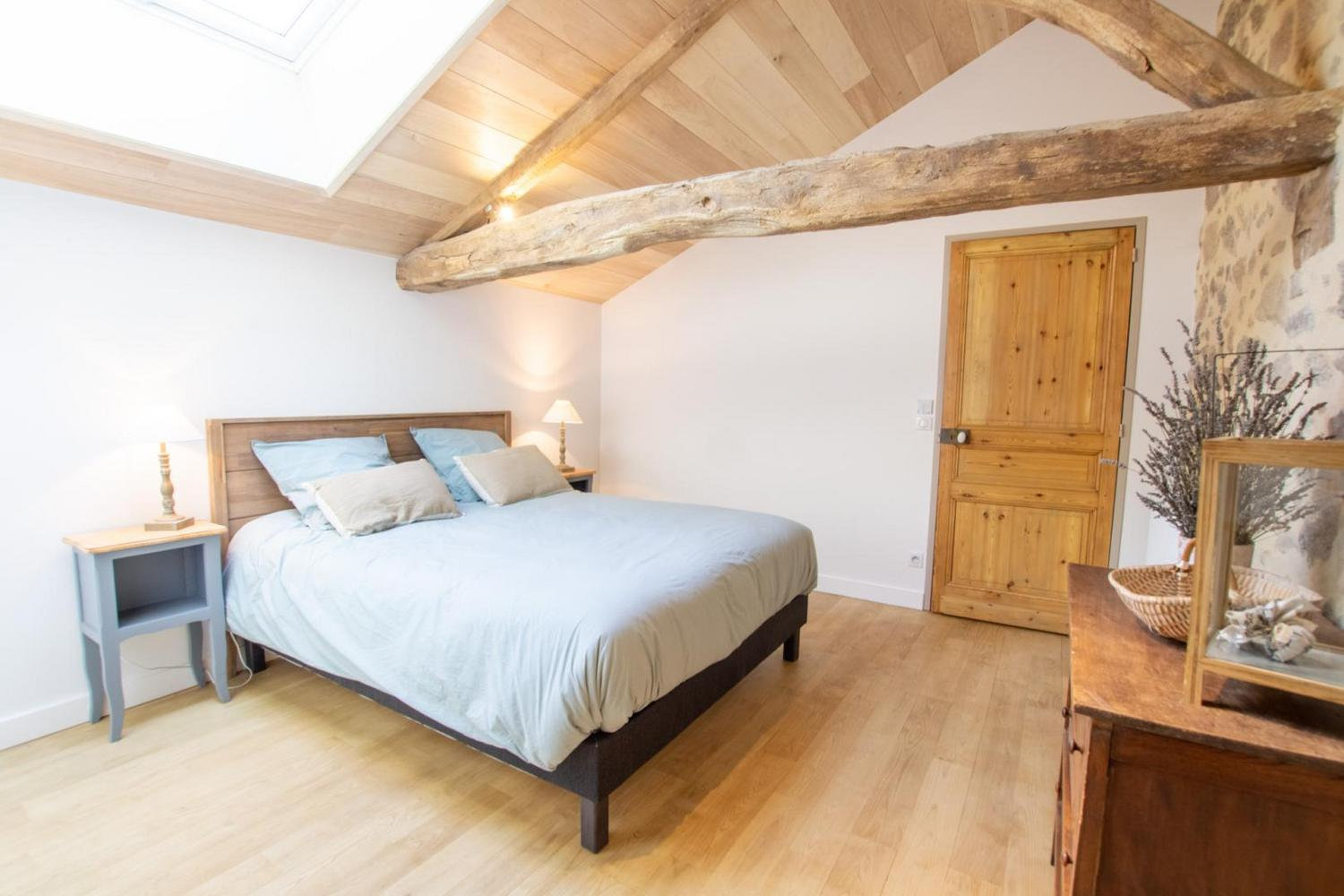
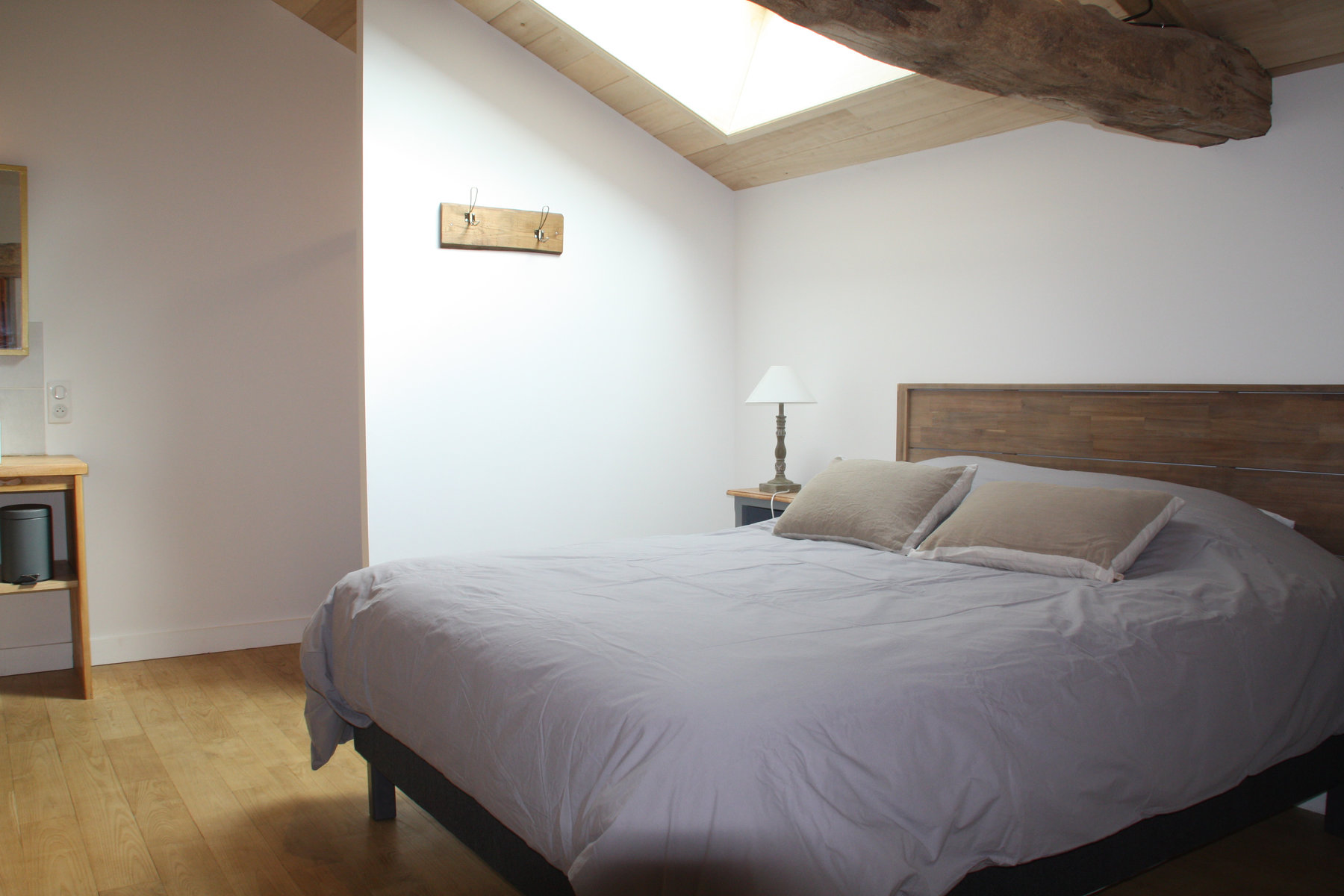
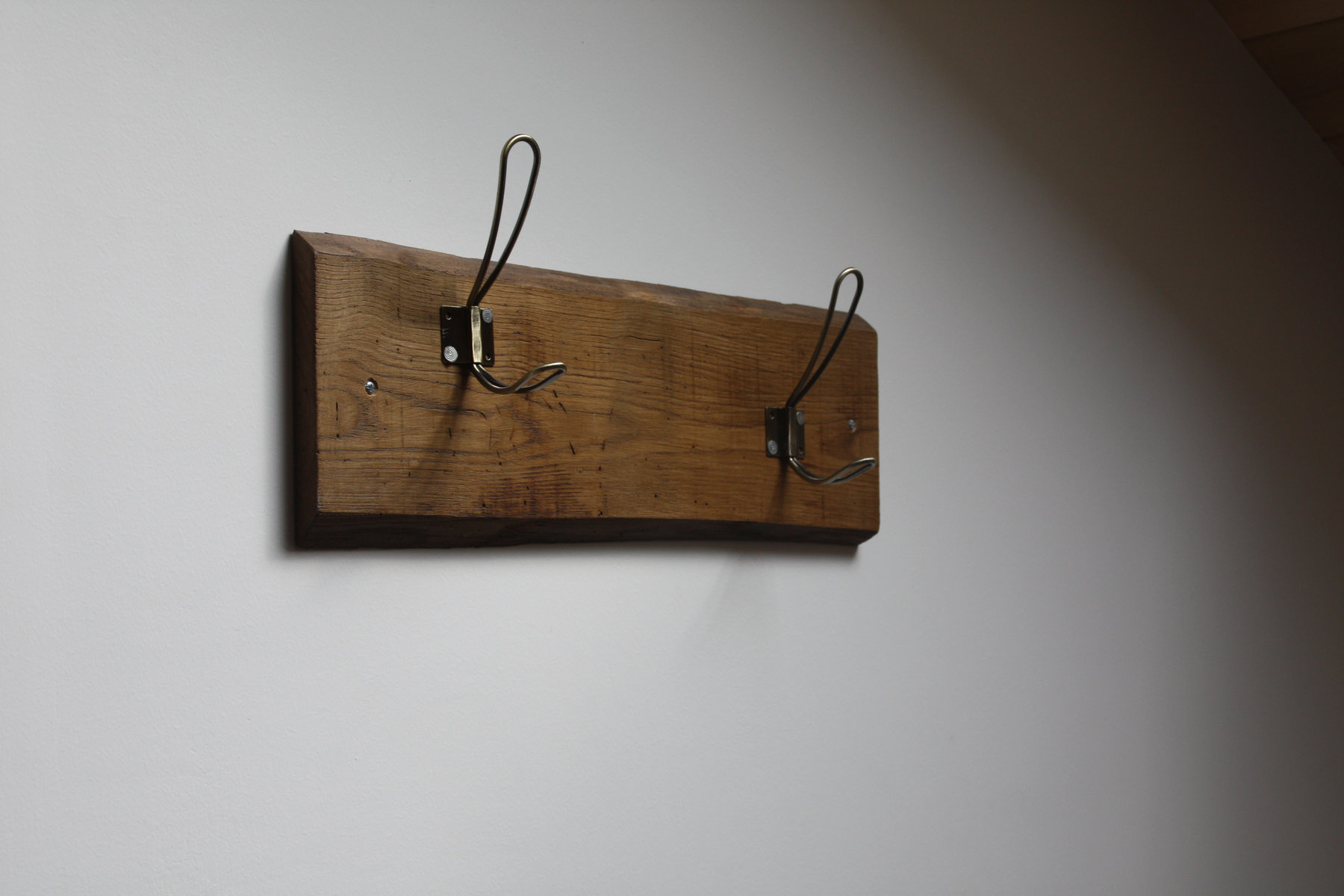
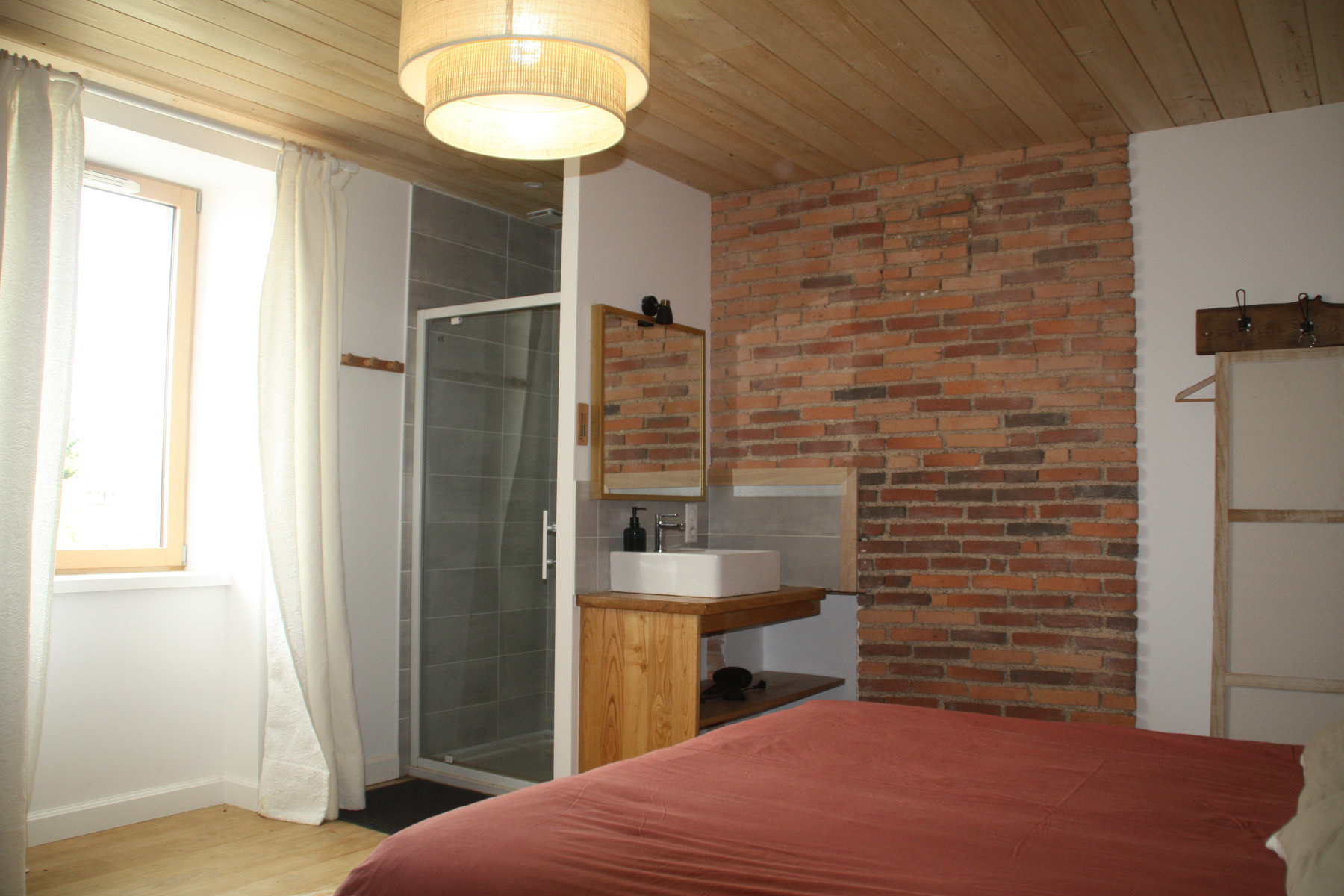
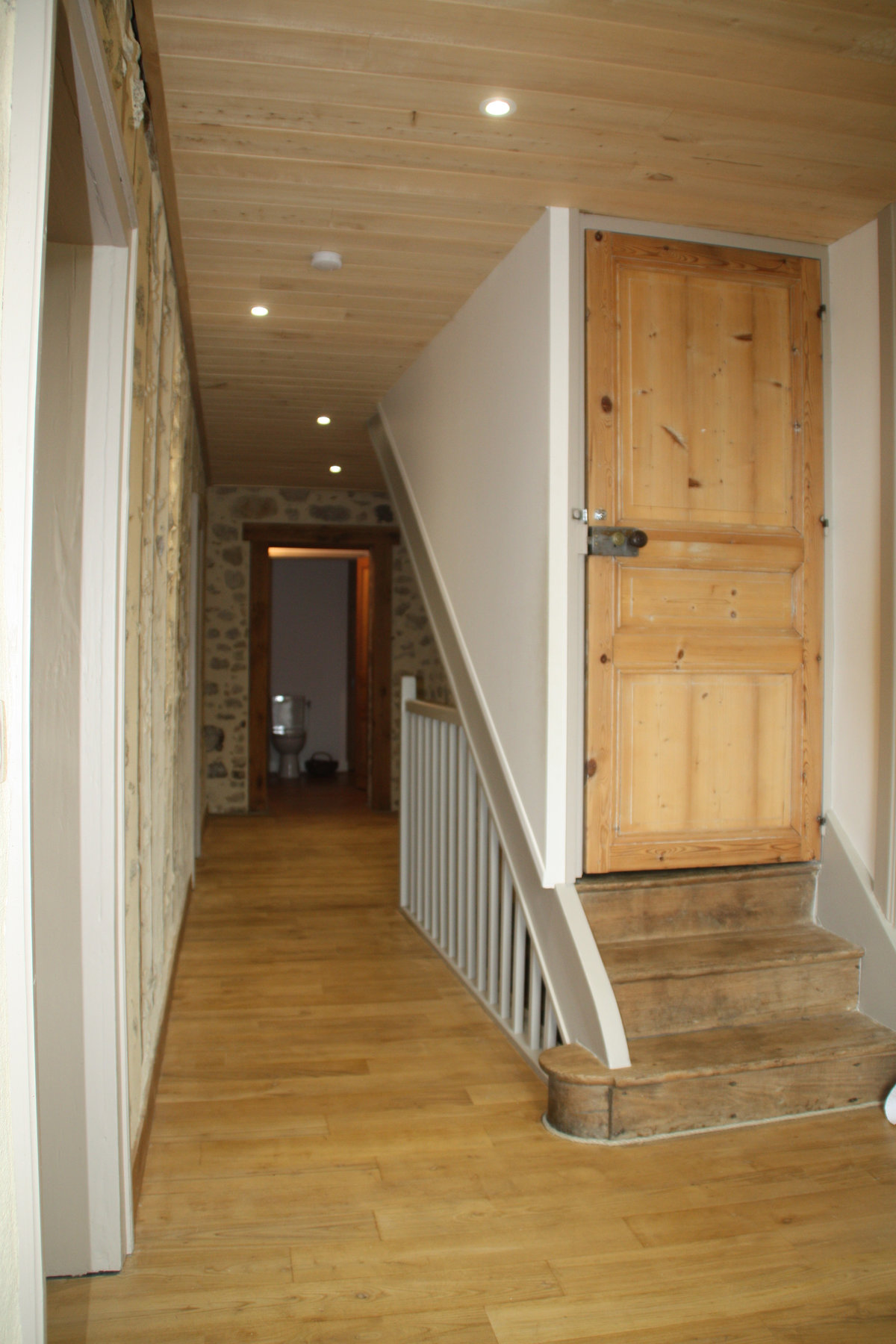
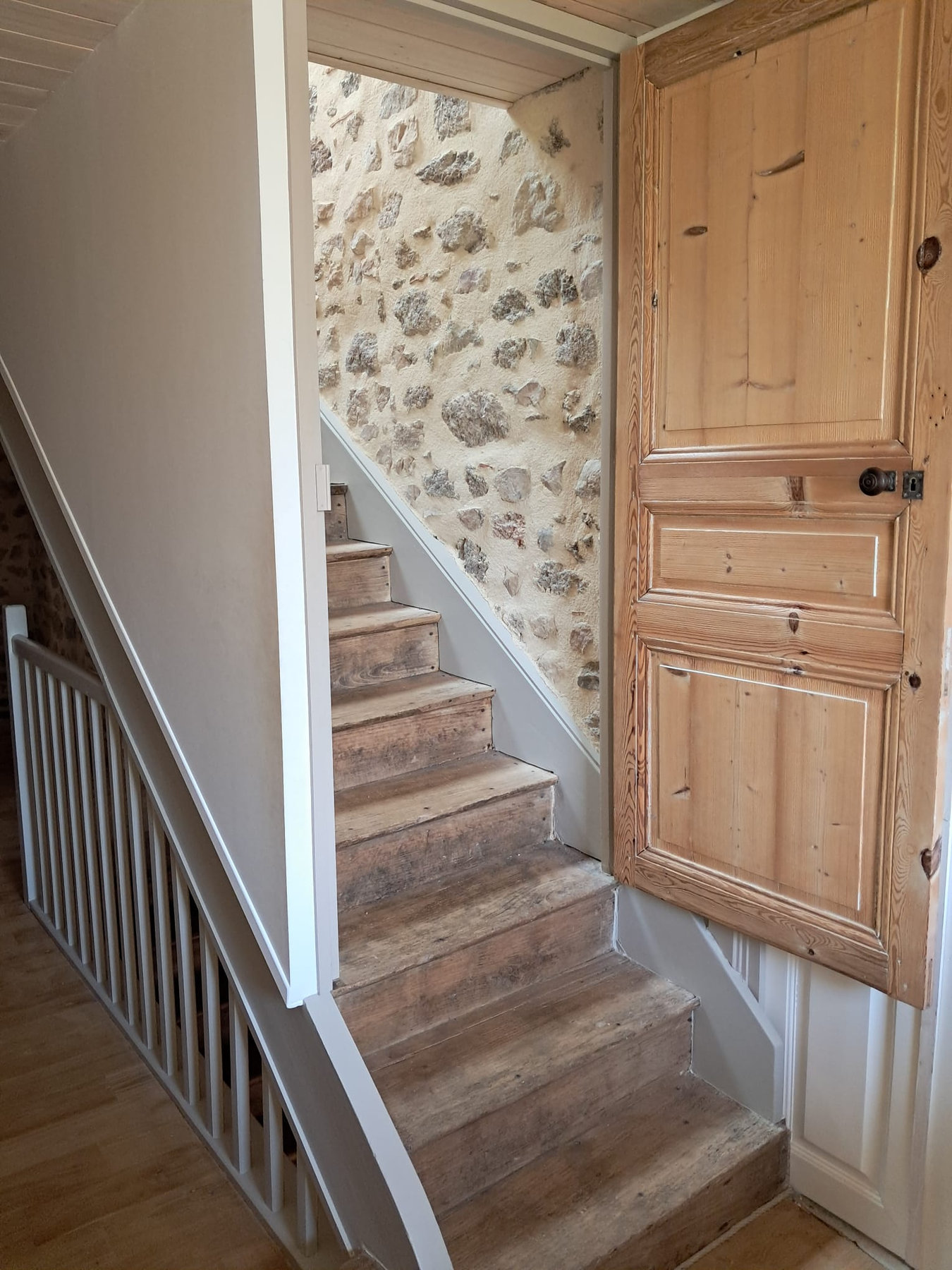
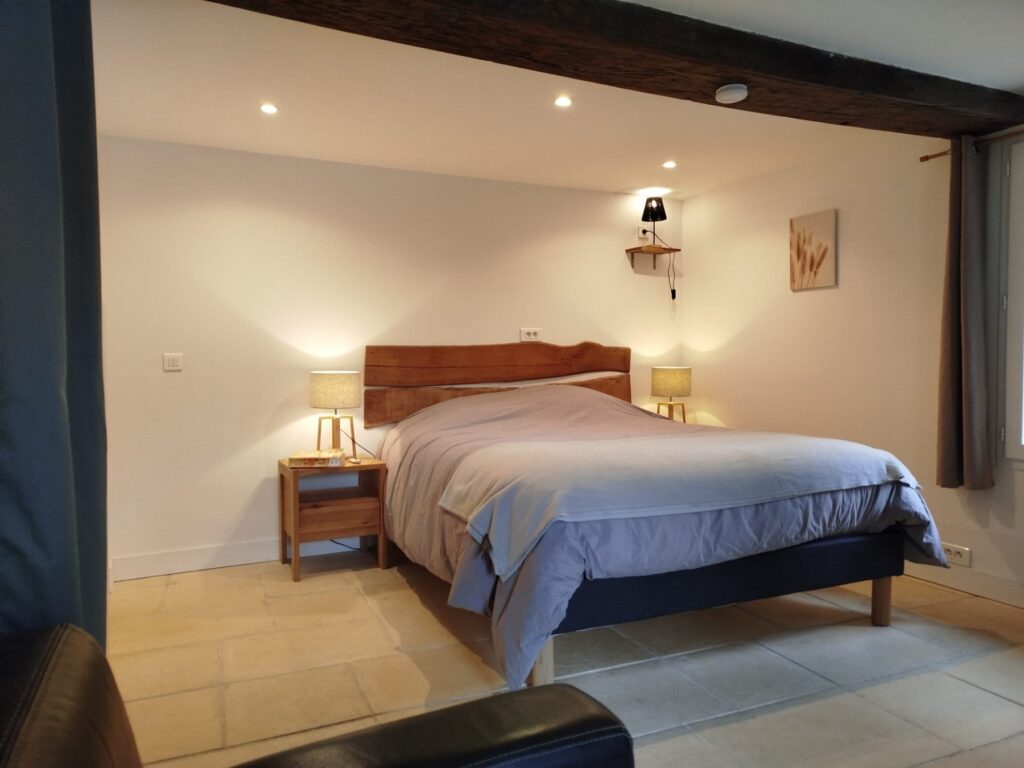
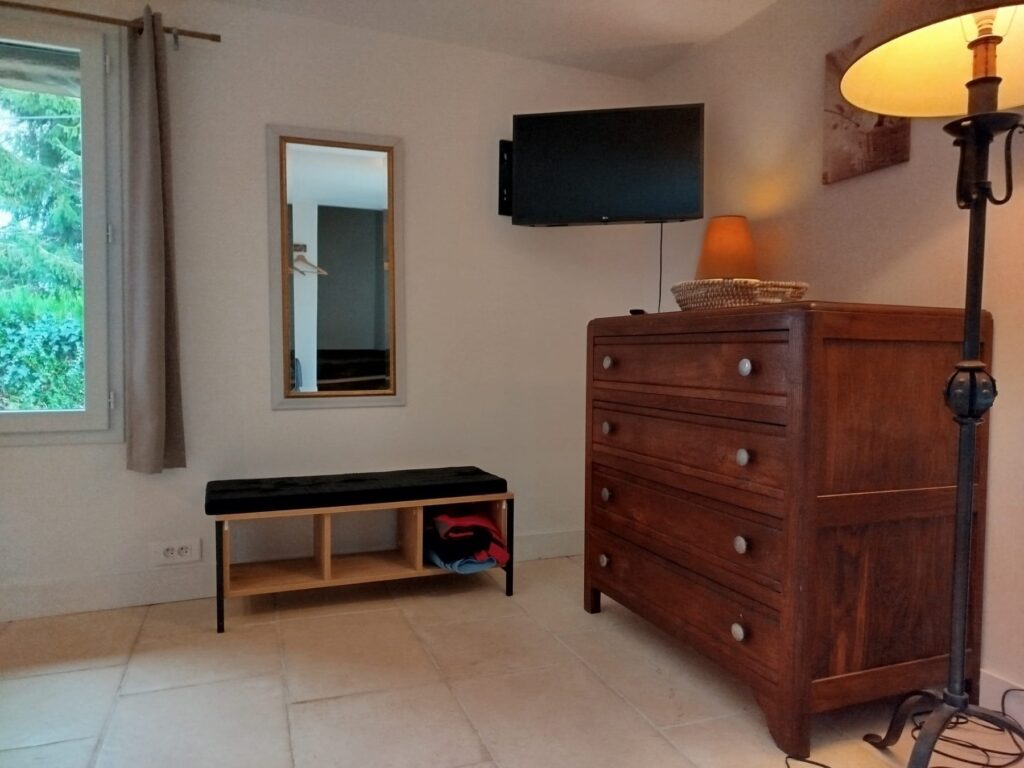
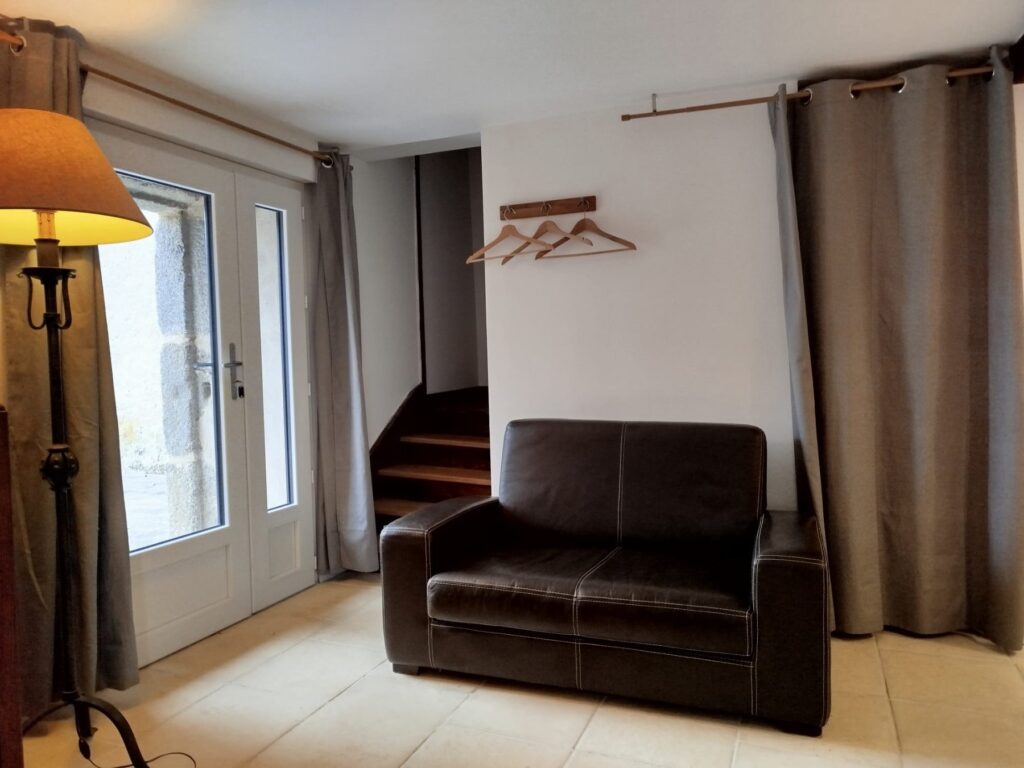
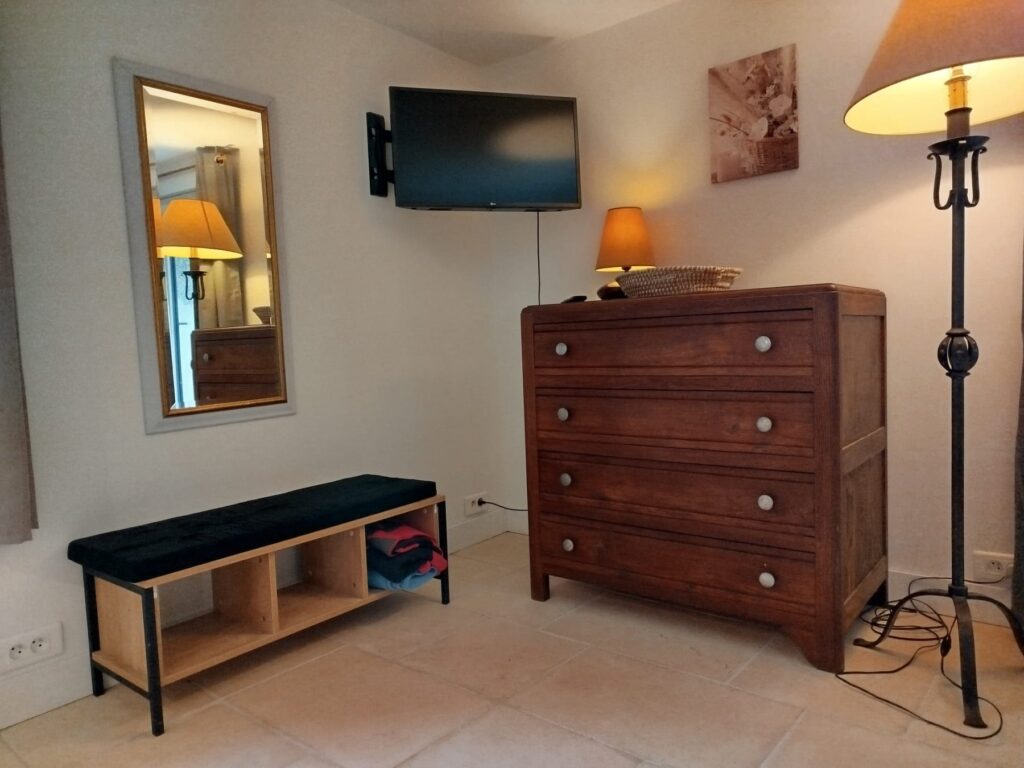
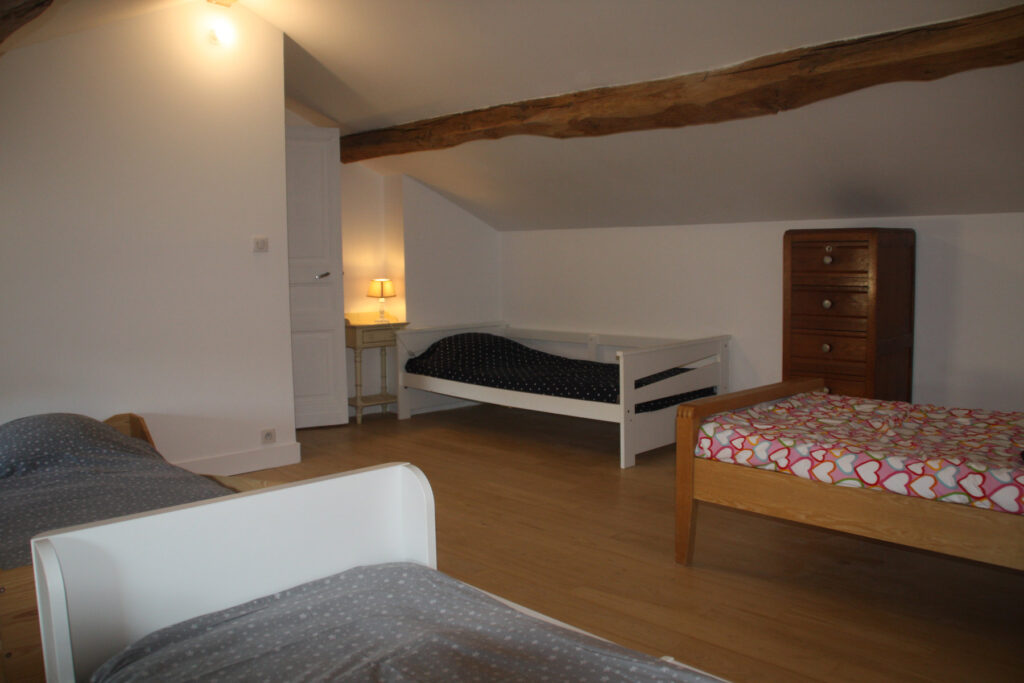
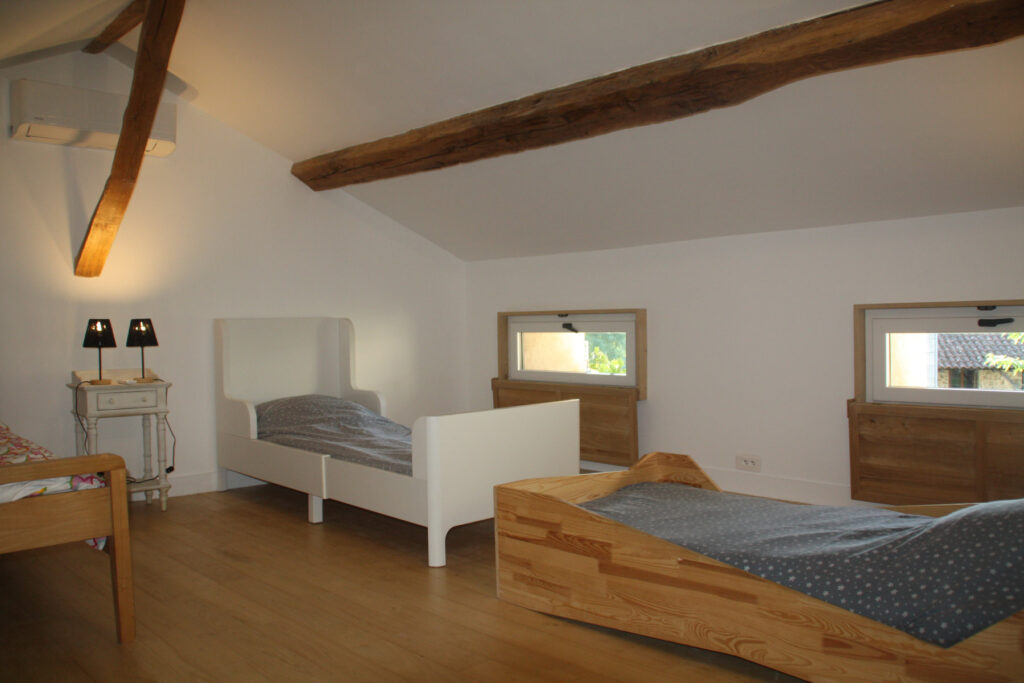
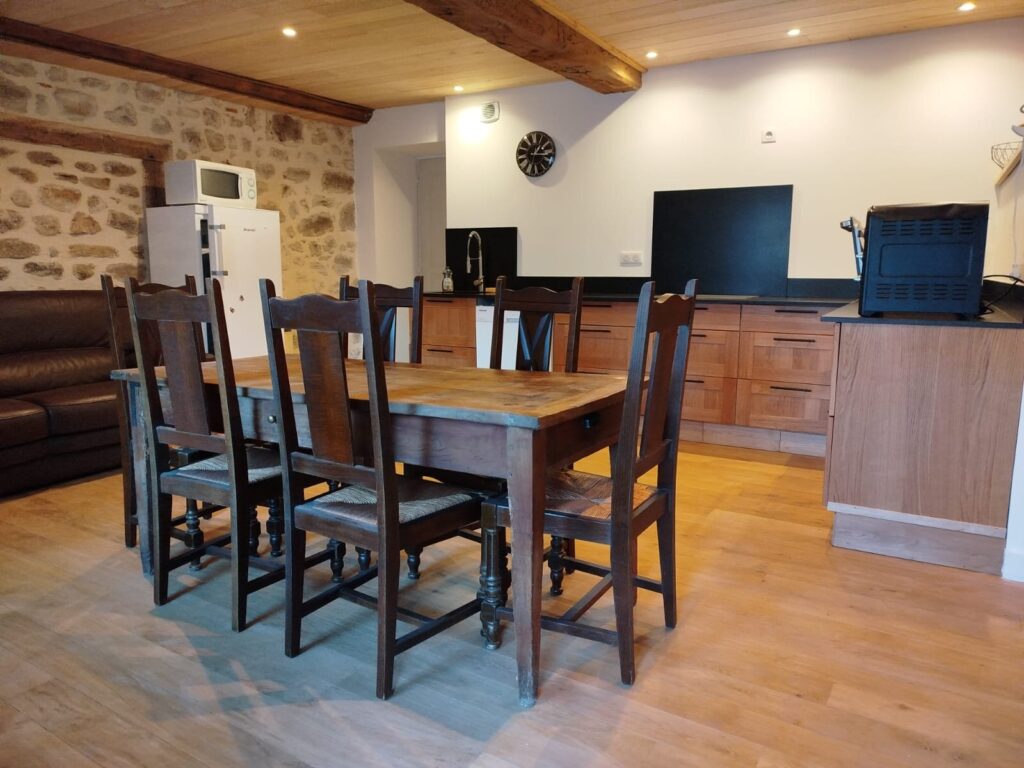
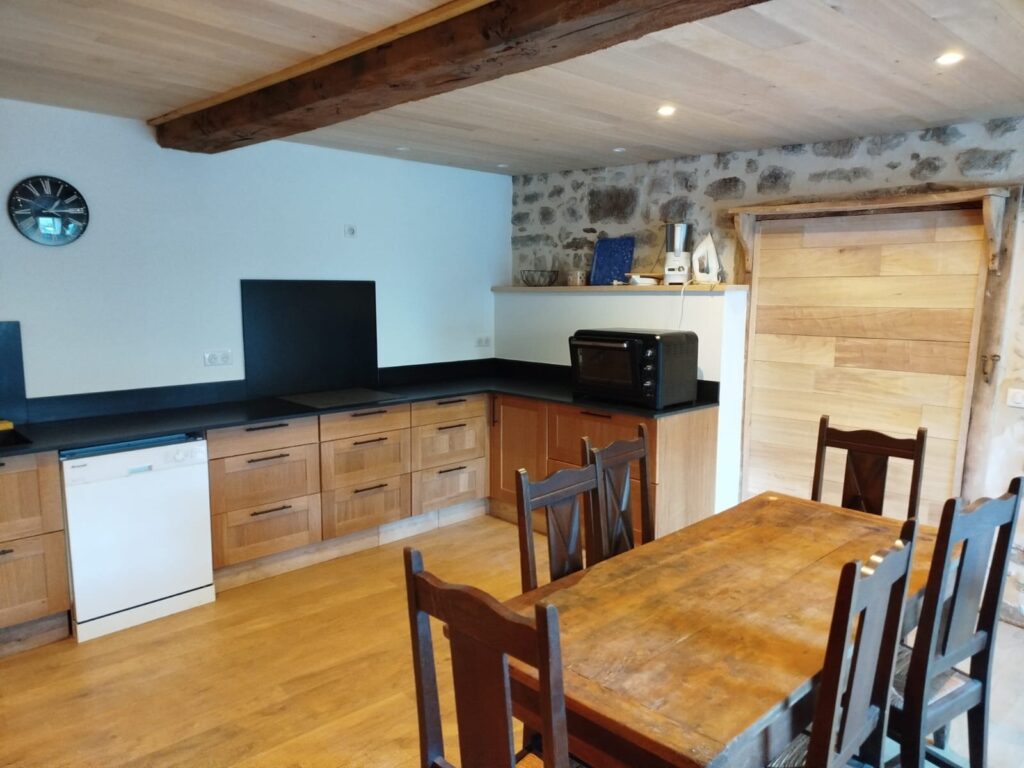
Chez Dauphin is a fully renovated 370 m² former farmhouse, designed to comfortably accommodate up to 15 people. This gîte combines the charm of traditional architecture with stone walls, exposed beams and half-timbering. It has all the modern comforts you need for an unforgettable stay.
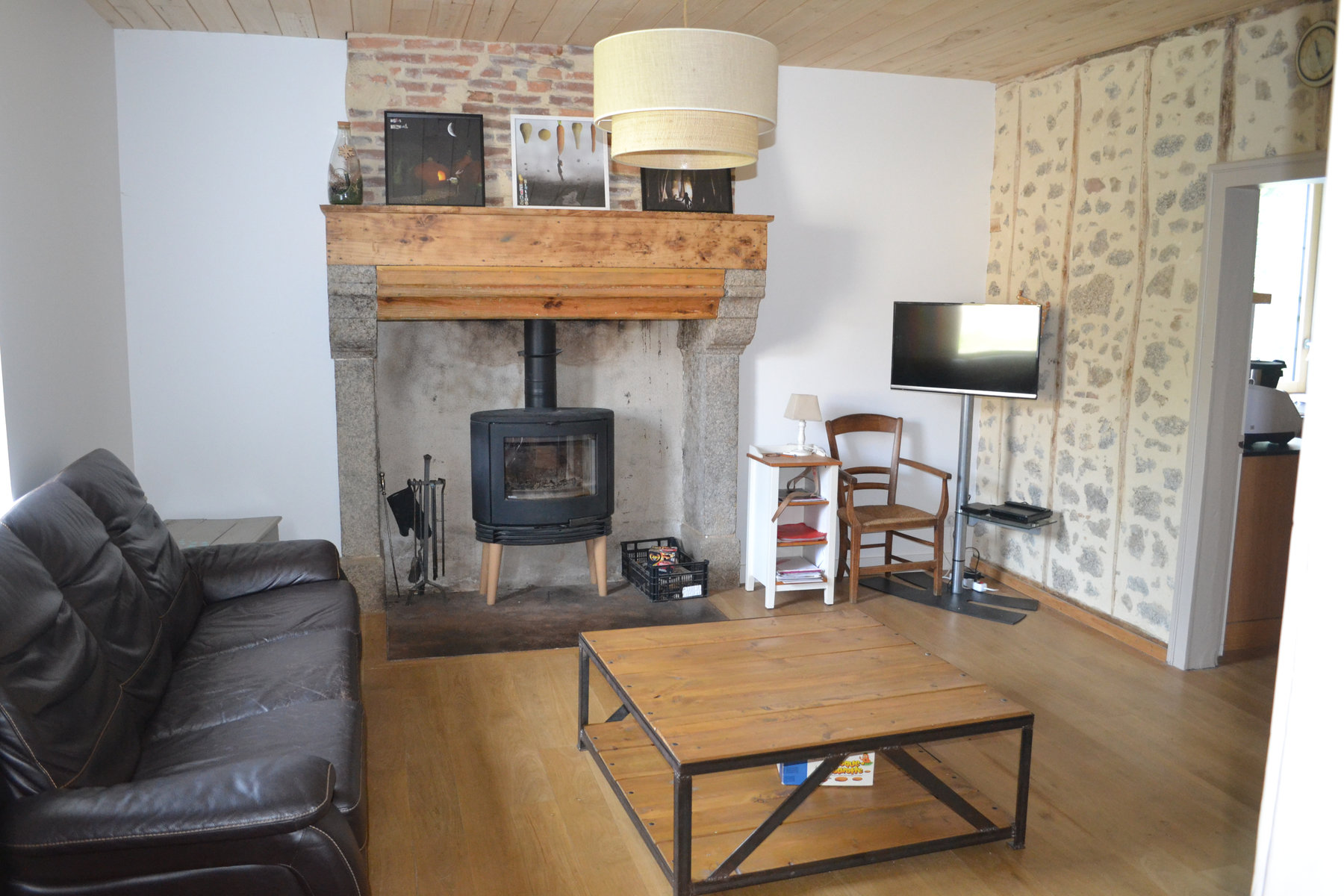
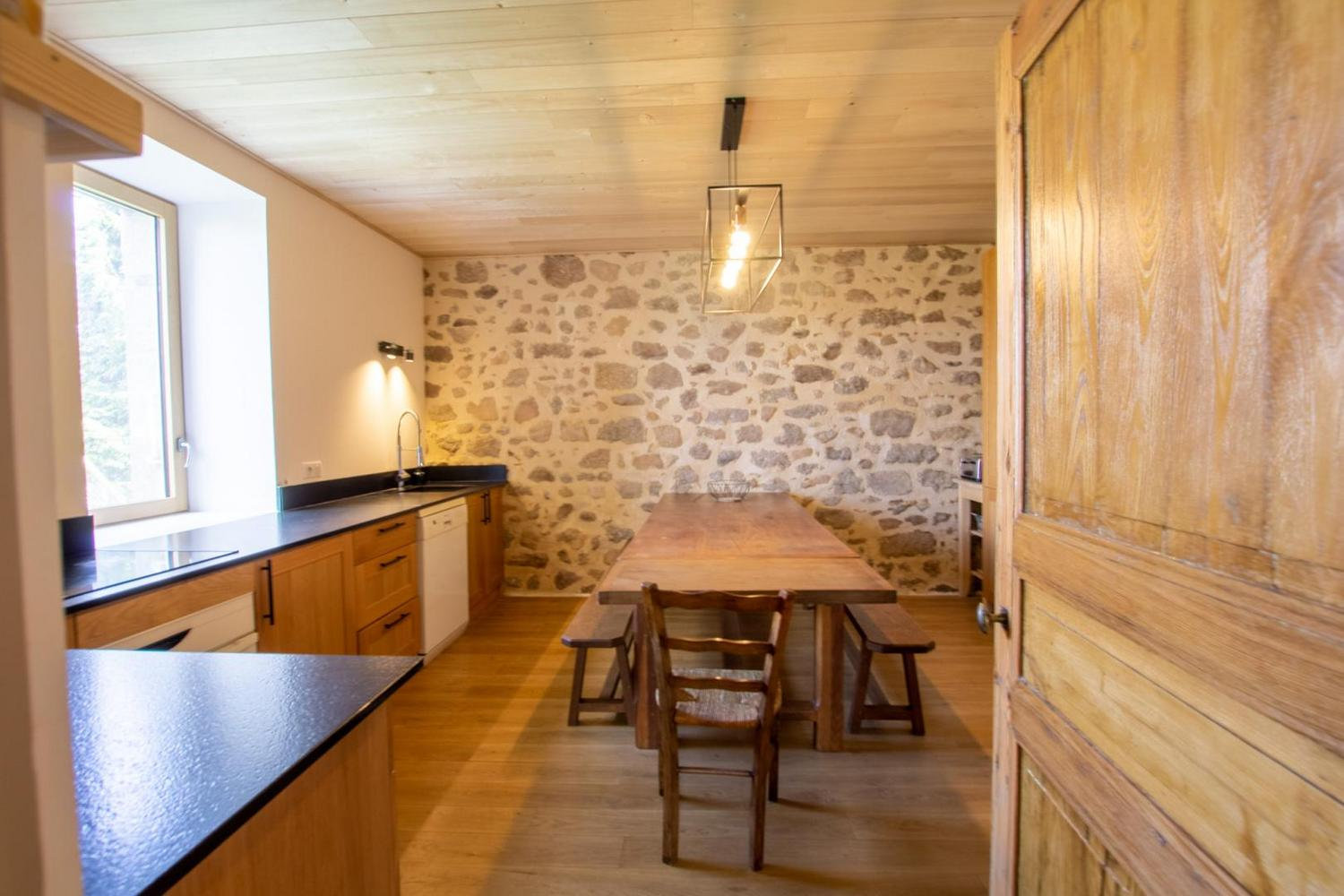
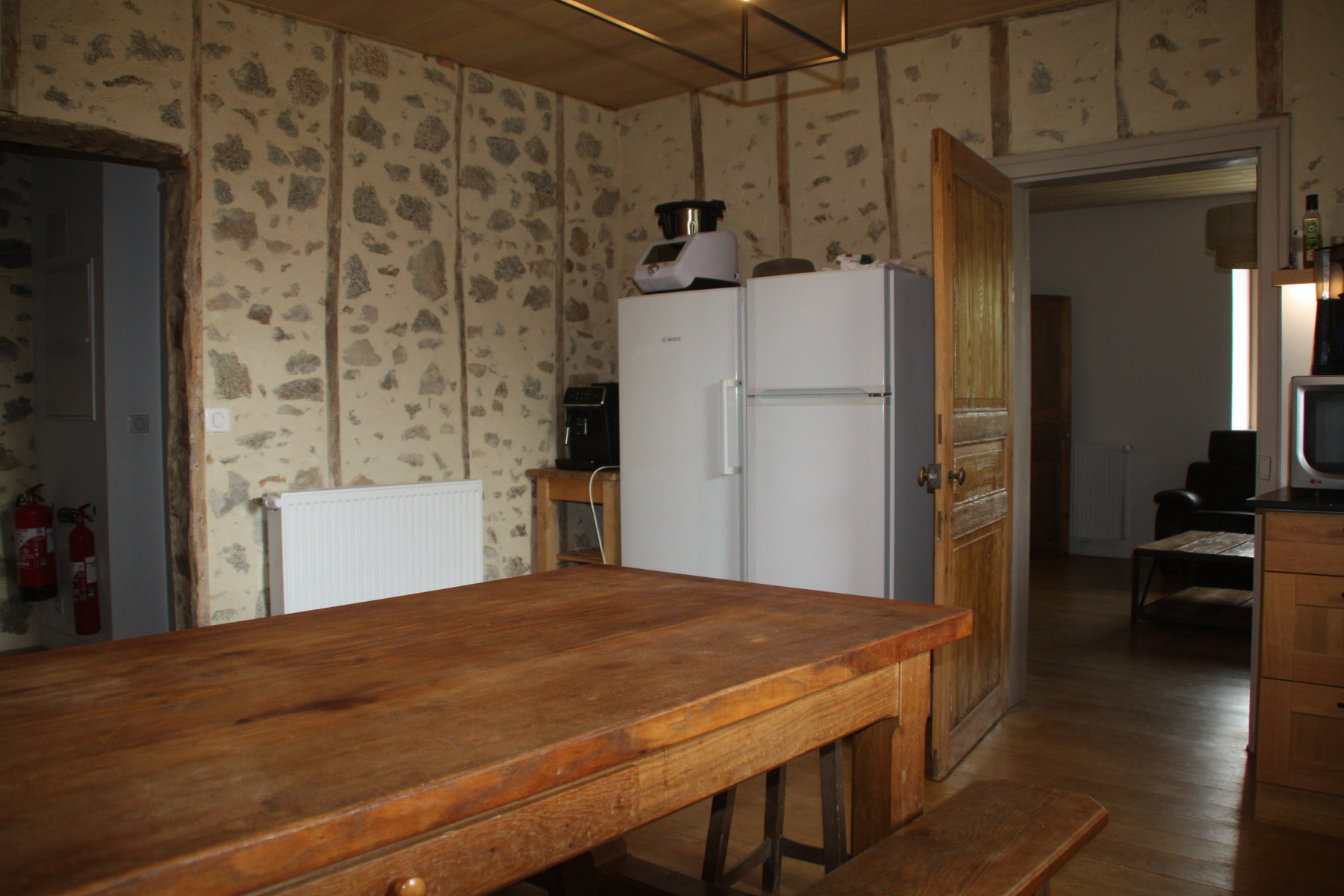
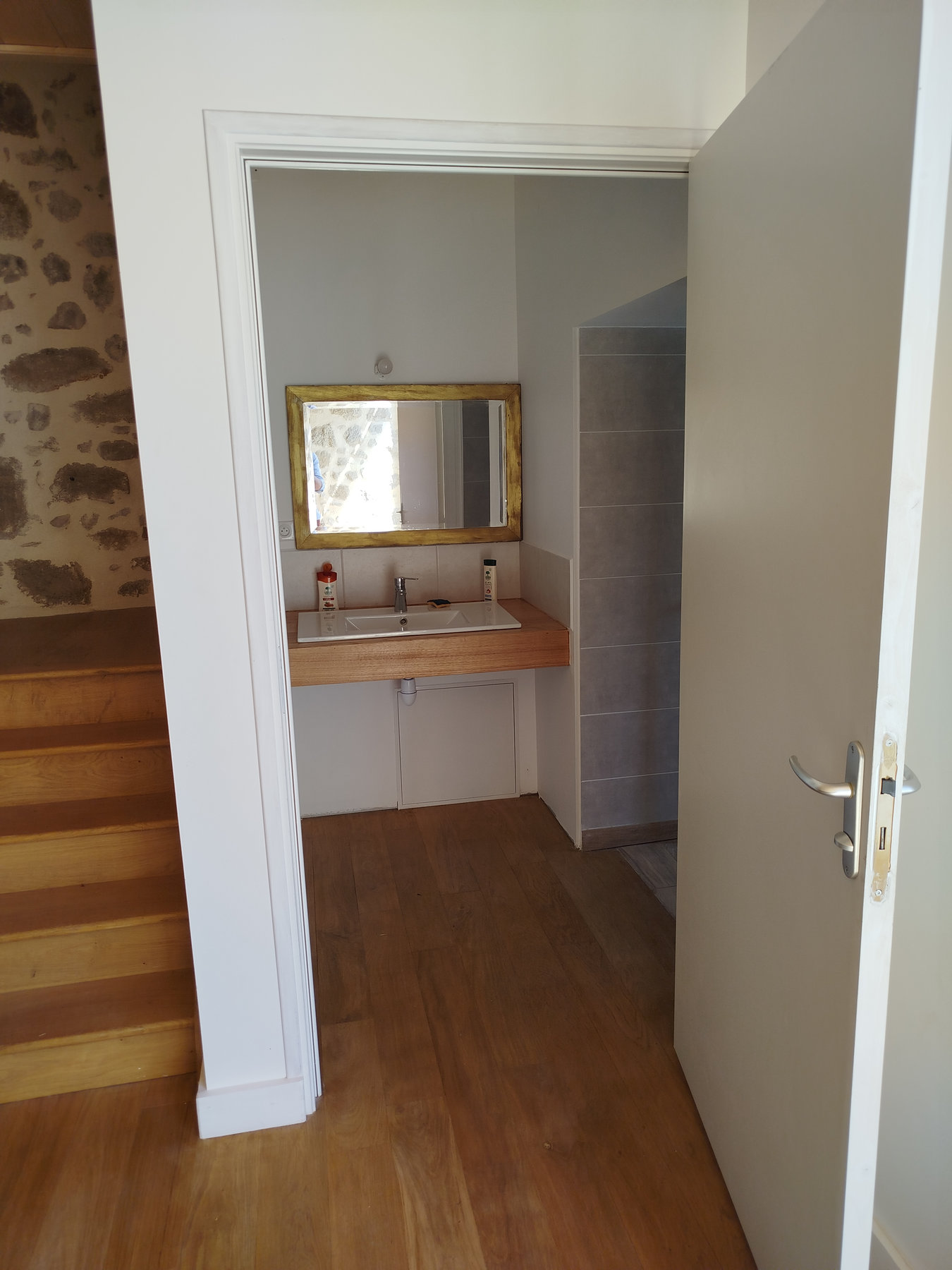
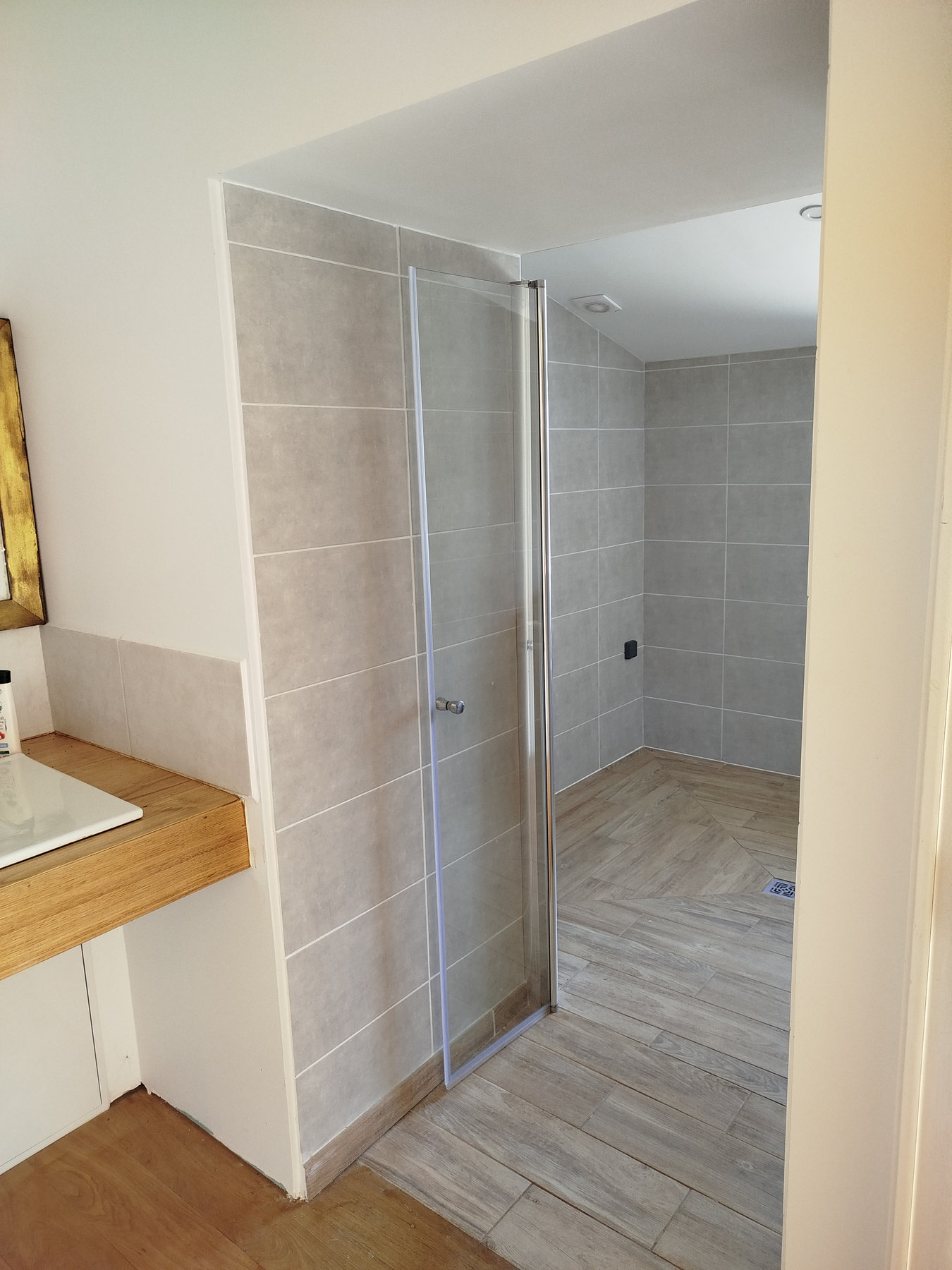
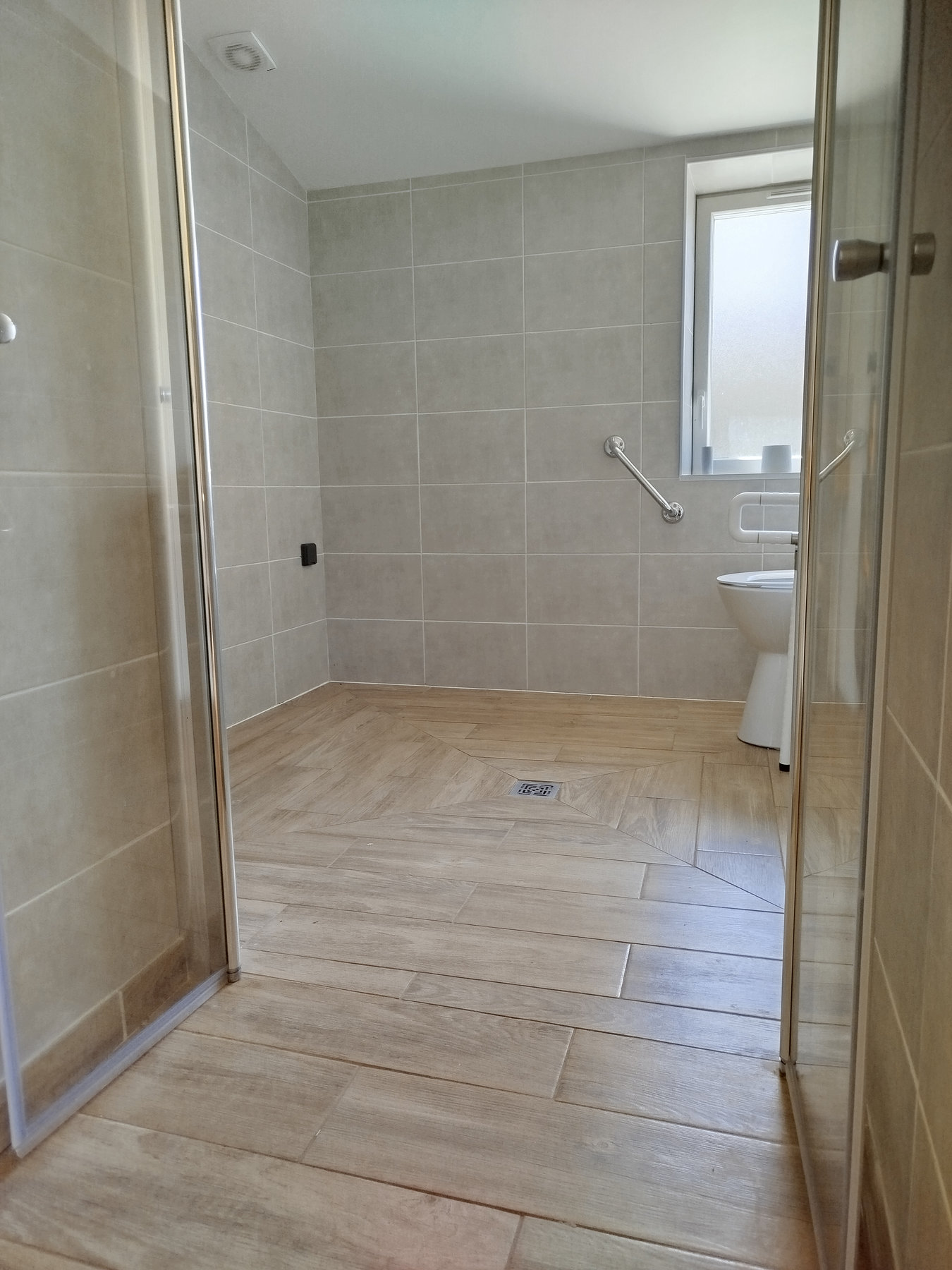
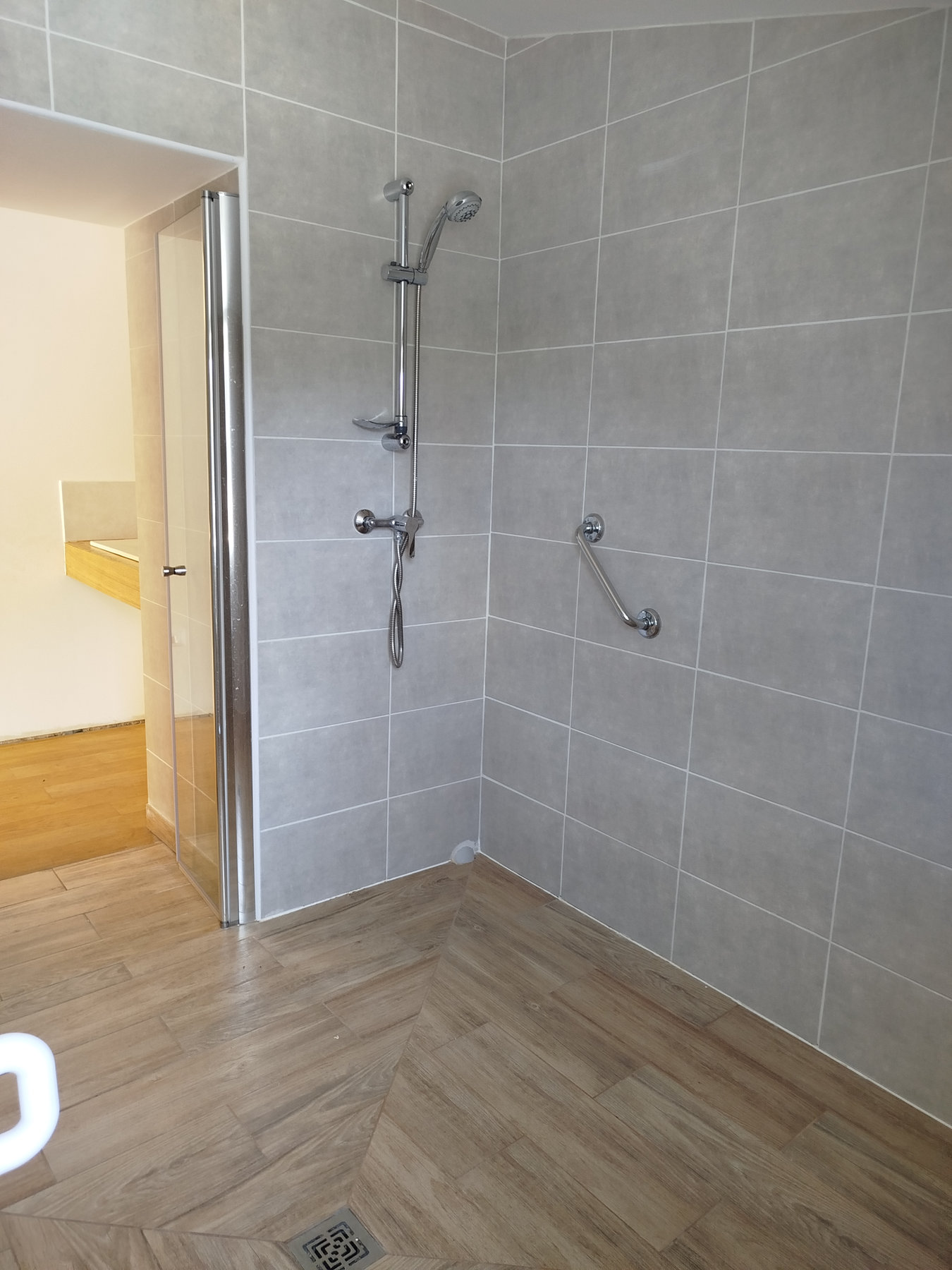
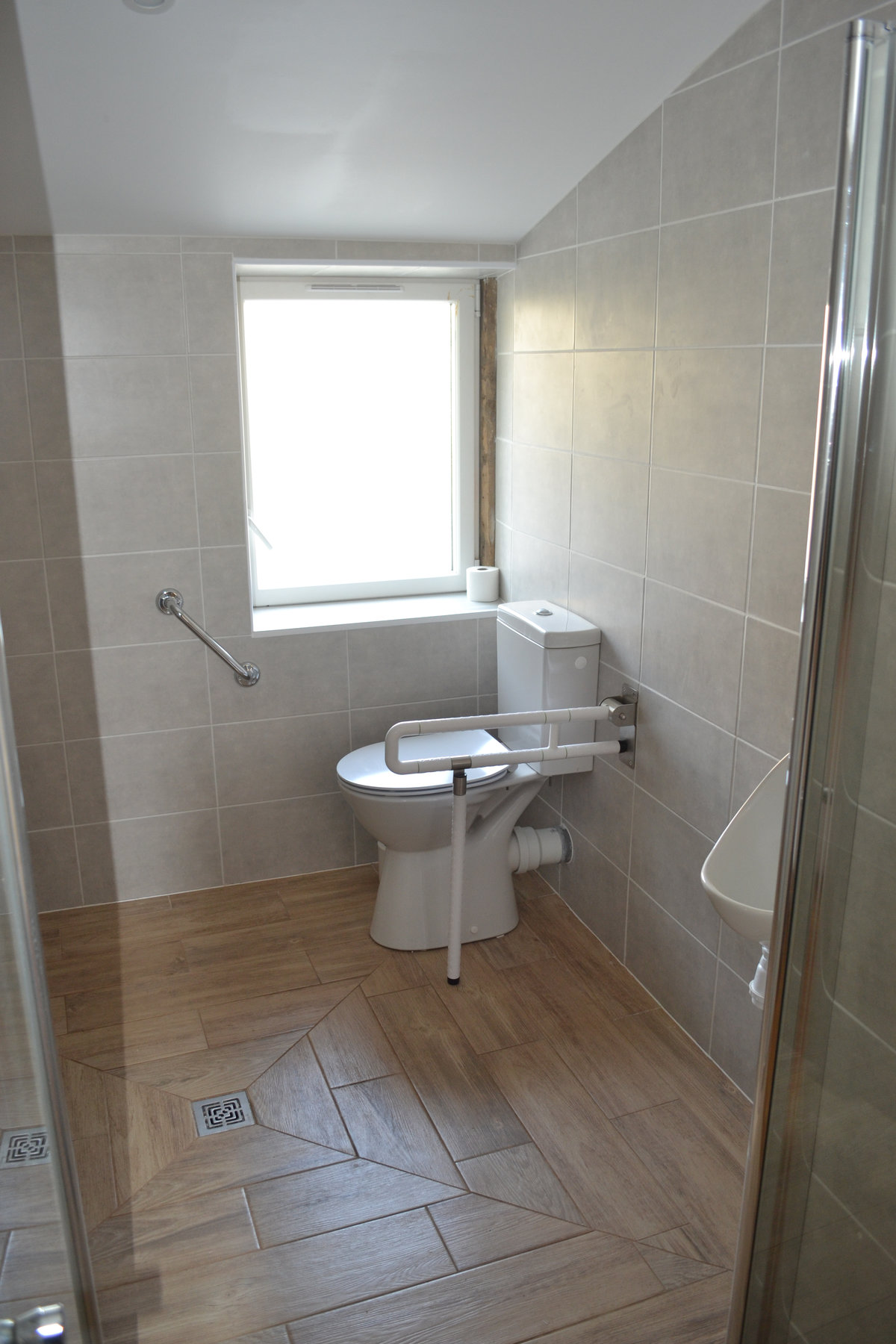
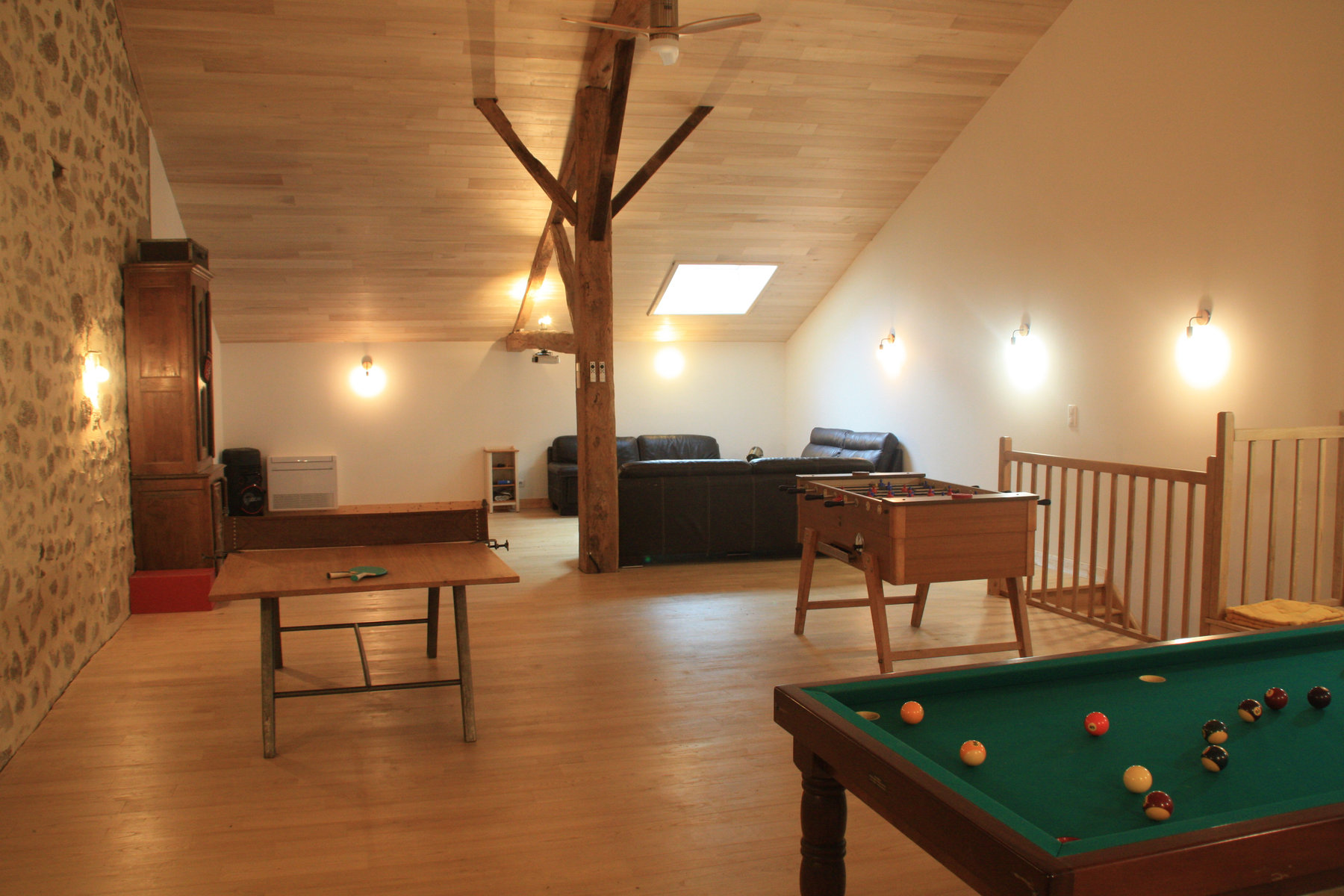
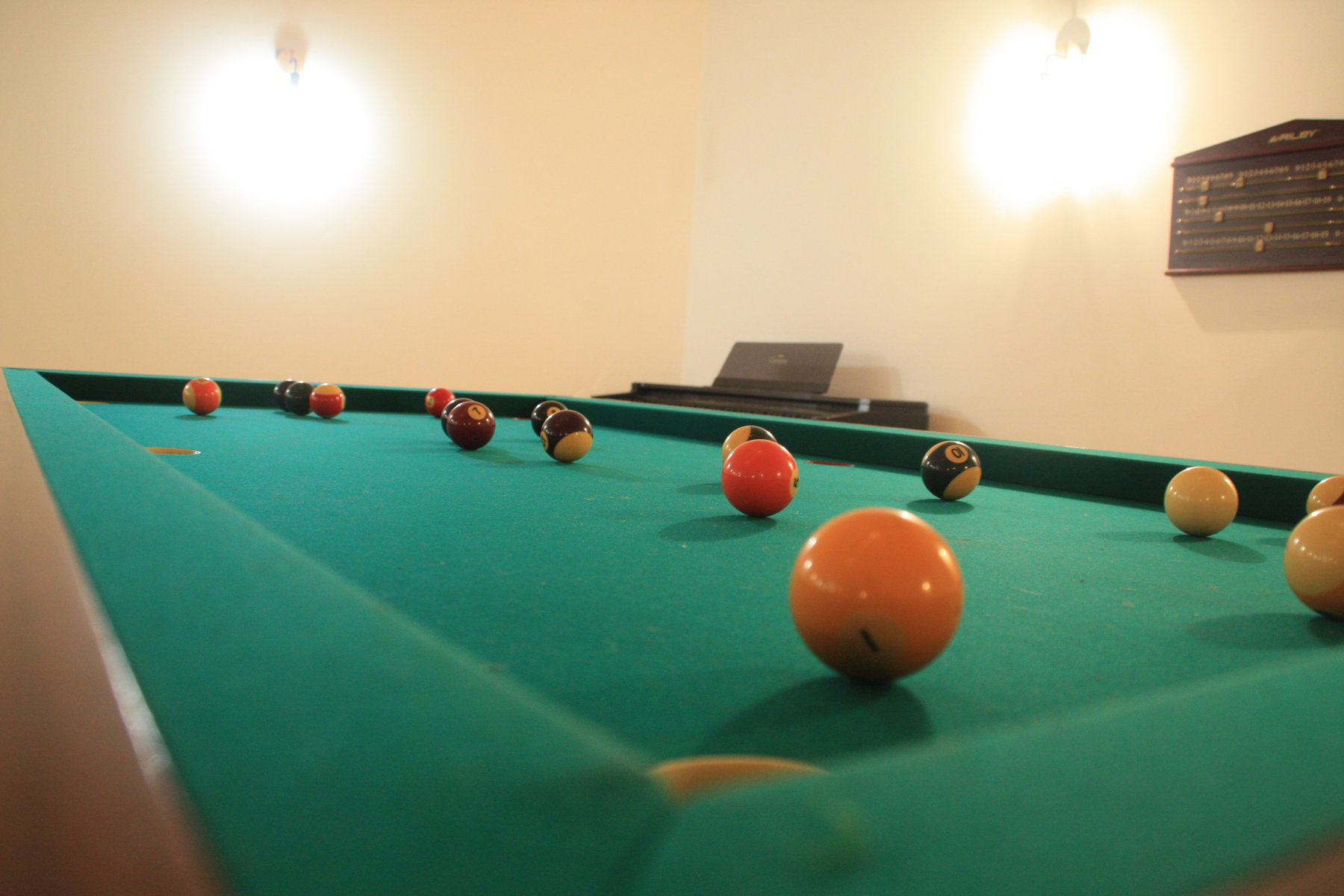
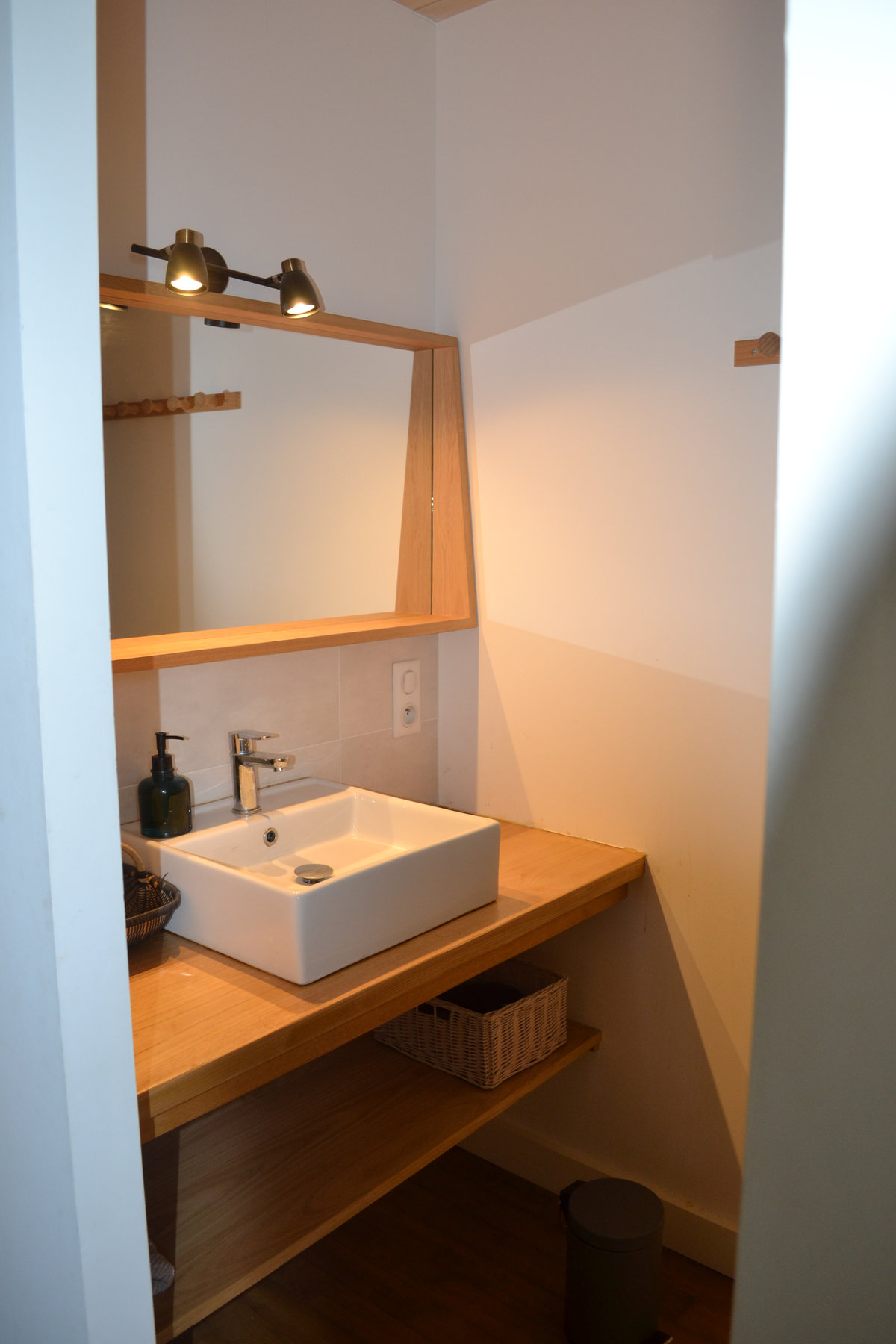
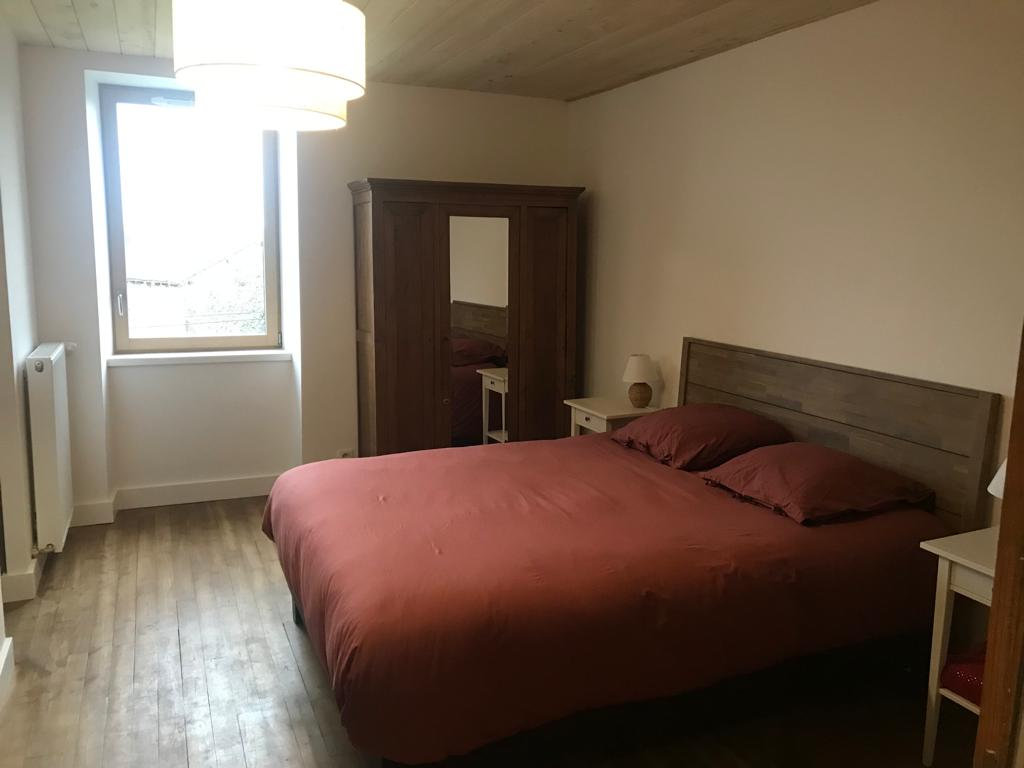
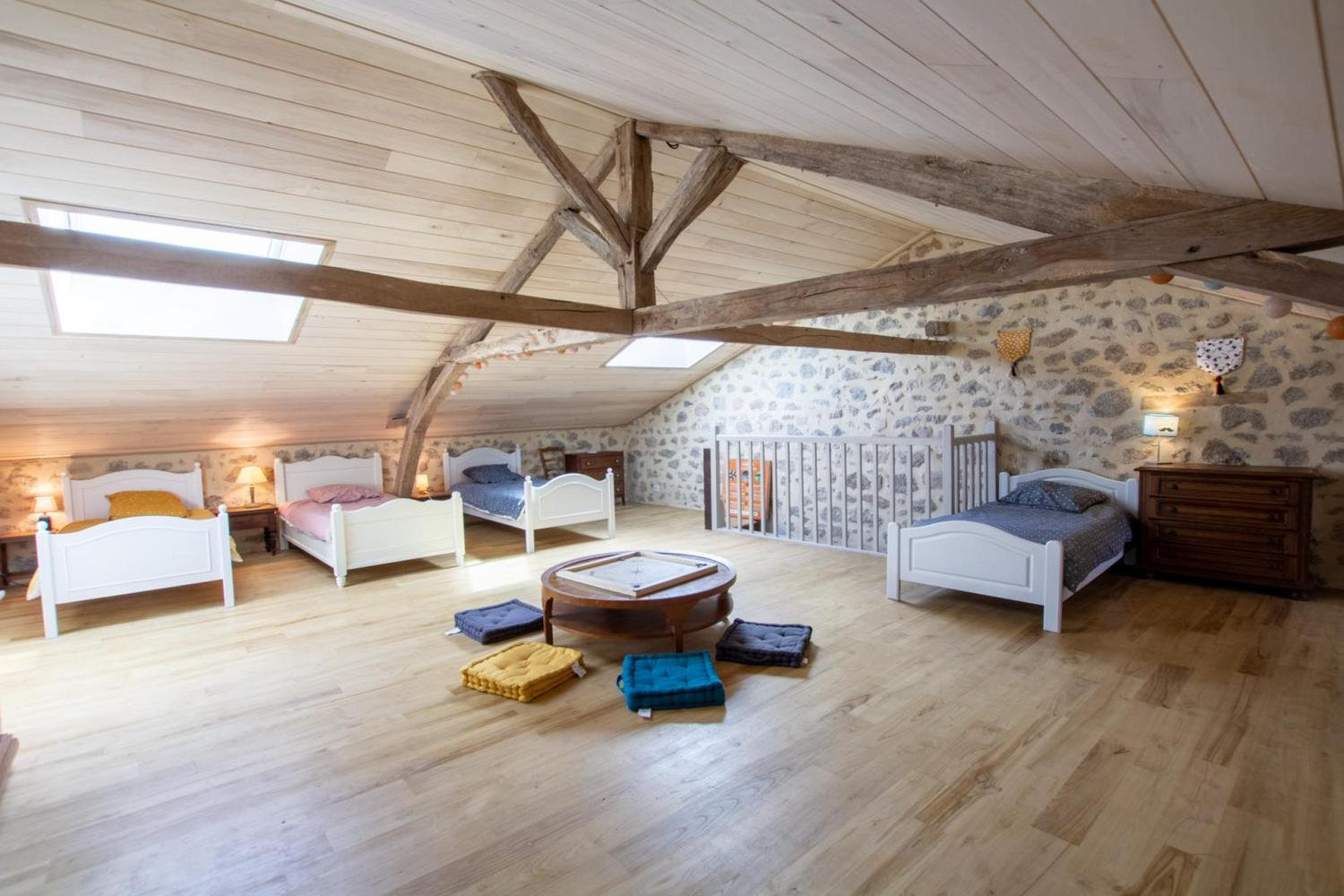
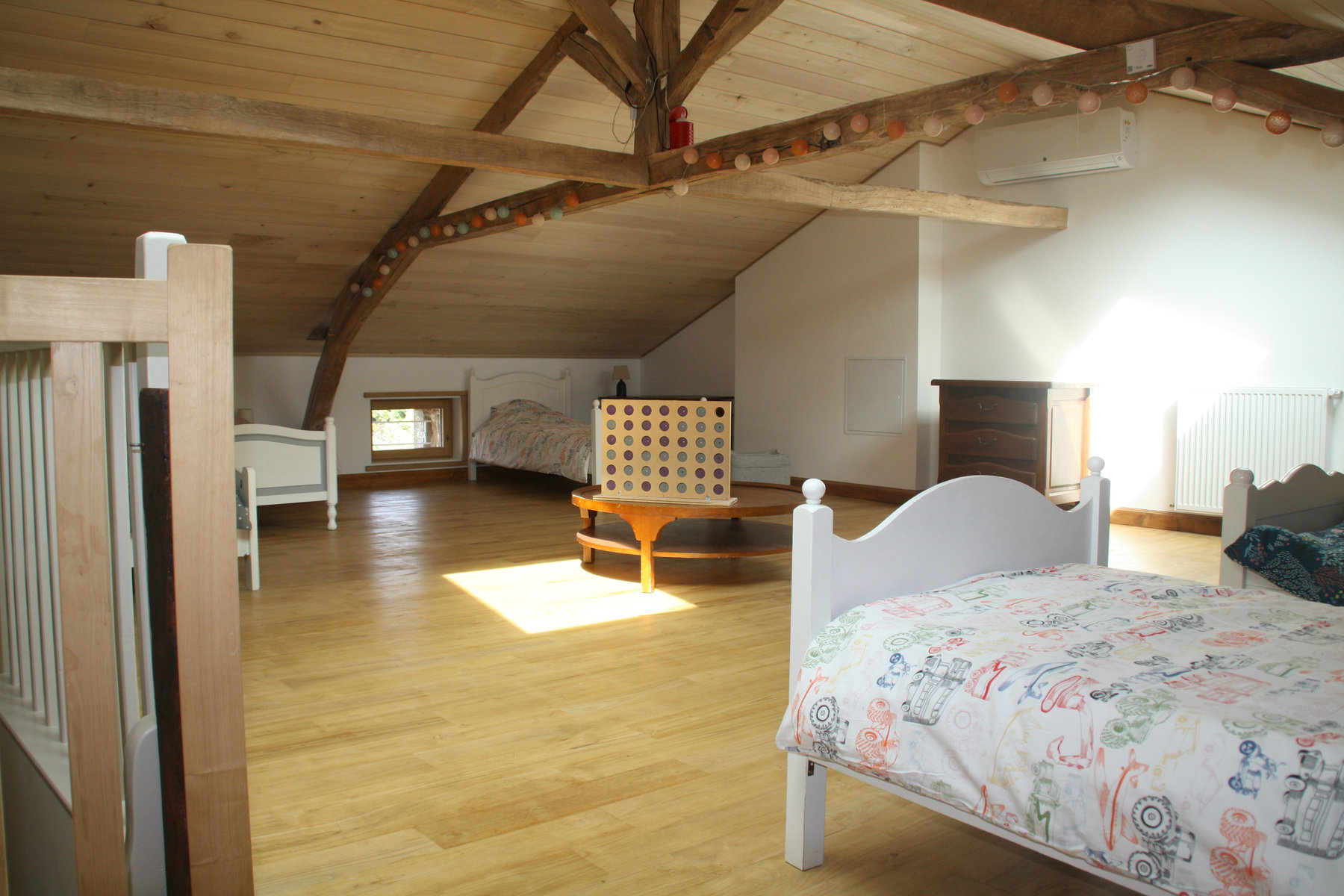
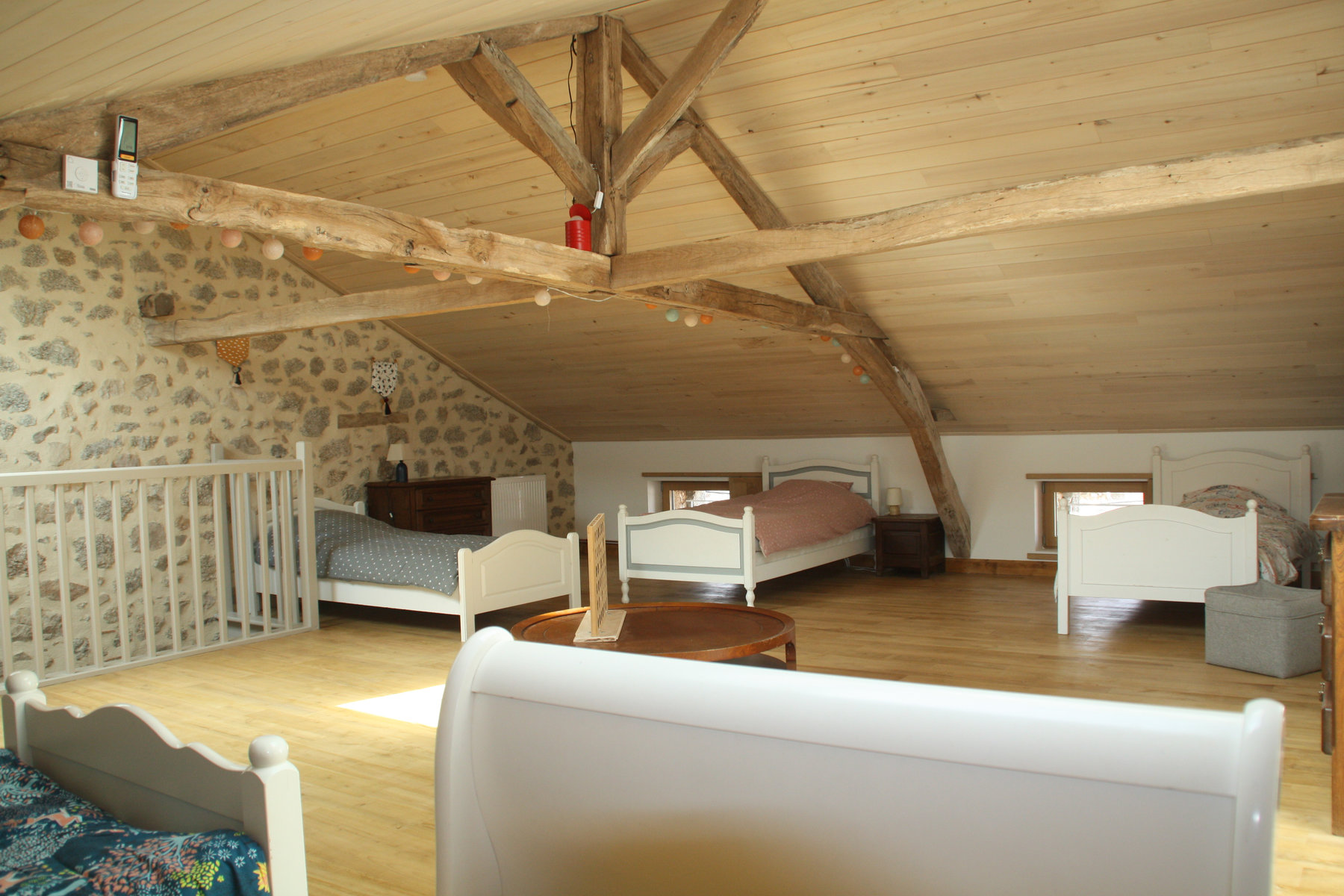
Inside, you'll find spacious living areas ideal for sharing: a large, friendly kitchen-dining room, a cosy lounge with a fireplace, a reception room, an activity room, an accessible shower room designed for the comfort of seniors and people with disabilities, and several spacious bedrooms suitable for families and groups.
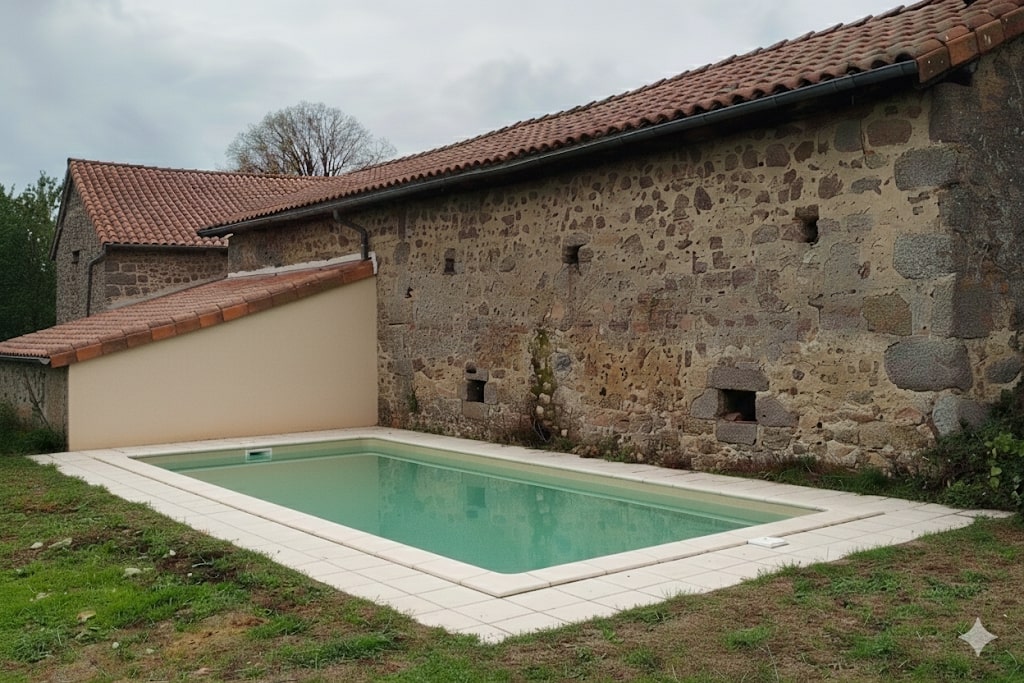
Outside, you'll find a shared swimming pool currently under construction, as well as a shared plot of 10000m² in which a 6500m2 garden forest is in the early stages of development*. (find out more)
15 people
5 bedrooms
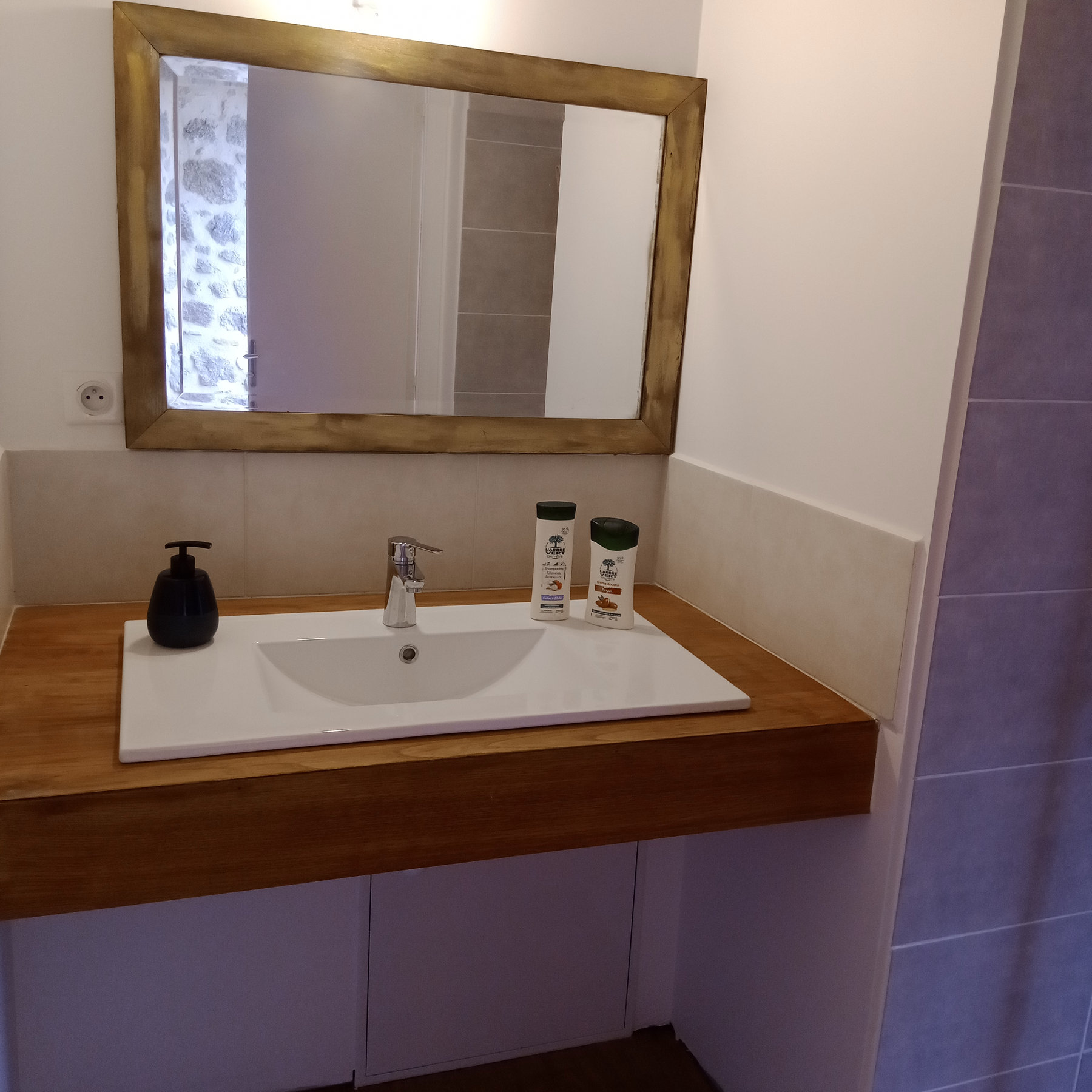
5 shower rooms
370 m²
** 4 shower rooms (shower + washbasin) + 1 shower room with facilities for the elderly and disabled (shower + washbasin + WC)
At Combo
Gîte for 6 people in the Périgord Vert
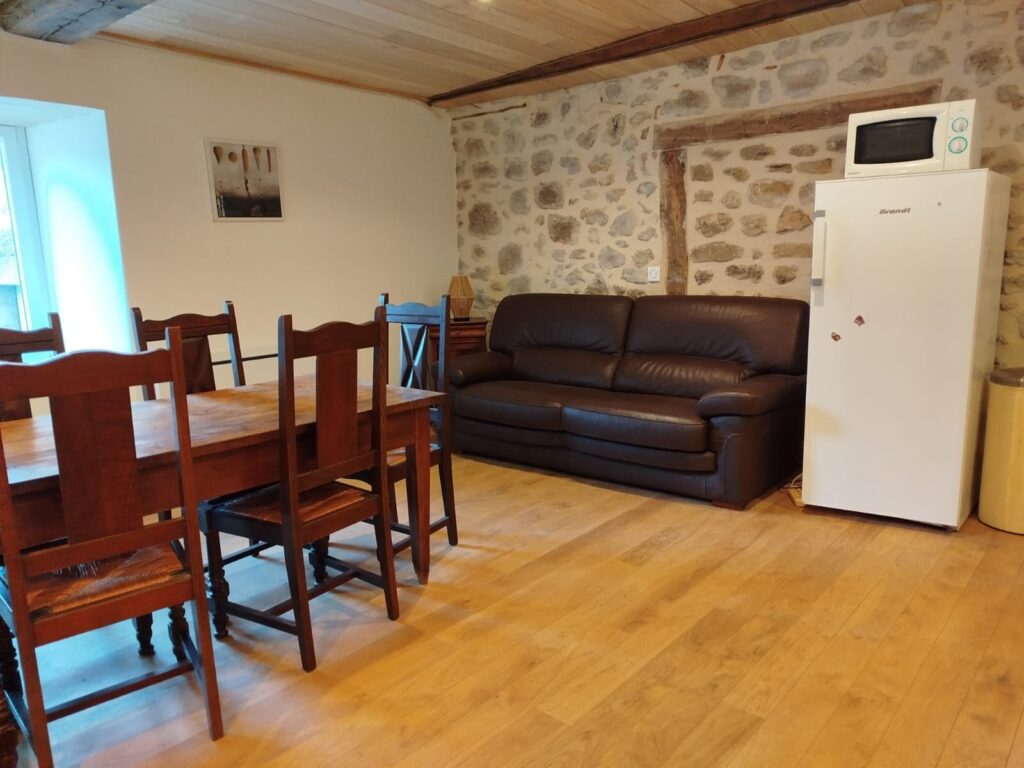
At Combo is an 80 m² gîte that can accommodate up to 6 people. With its warm, intimate atmosphere, it's ideal for families or small groups looking for a peaceful break in an exceptional natural setting.
Outside, you'll find a shared swimming pool currently under construction, as well as a shared plot of 10000m² in which a 6500m2 garden forest is in the early stages of development*. (find out more)
6 people
2 bedrooms
1 shower room
80 m²
A place designed with respect for nature, from the stone to the garden. *
An ecological renovation that reveals the soul of the place
When we undertook the renovation of the gîtes, we had a simple but demanding idea: to create a place that was as natural as possible, using materials that were environmentally friendly. 95 % biobased fuels, while respecting the original plans of the building to preserve its charm and historic character.
When we removed the old plaster coatings, we were in for a pleasant surprise: behind them were hidden old half-timbering. Rather than hiding them again, we chose to highlight them. The walls were patiently joined with lime and sand, The stone and wood have been restored to their former glory.
For the’insulation, we have given priority to wood wool 30 cm under the roof to keep cool in summer and warm in winter, 20 cm between each storey, and some cork on the ground floor, a natural material with excellent insulating and acoustic qualities. A small part of the insulation was also made from recycled textile fibres.
Instead of conventional plasterboard, we chose fermacell, an environmentally-friendly panel made from gypsum and recycled paper fibres. Solid, durable and moisture-regulating, it alone accounts for almost 80 % renovation.
Le heating and thermal comfort have been designed with the same spirit in mind: a heat pump ensures the comfort of the entire site, complemented by storage heaters in the reception room, which are charged at night to provide gentle heat during the day. In the small lounge, a wood stove creates a warm and friendly atmosphere, ideal for winter evenings and afternoons. Finally, to meet heatwaves now inevitable, two reversible air conditioning have been installed, one in the dormitory and the other in the recreation room, to keep guests cool and comfortable.
Finally, the wood was given pride of place in each area: the oak for the ground floor, the chestnut for those on the upper floors, and the poplar for ceilings. Each species tells a story, and each room exudes the warmth and nobility of these living materials.
Just as the renovation of the gîtes was guided by the desire to preserve and enhance the existing buildings, the creation of a garden forest is part of the same approach: to offer a productive, welcoming space that respects nature.
A garden forest to prolong harmony with the living world
A garden forest is a growing system that imitates the structure of a natural forest to produce food.
It is made up of several layers of edible plants:
- The upper floor Fruit trees (apple and pear).
- The intermediate floor Small trees and shrubs (hazelnut, redcurrant).
- The lower stratum Perennials and vegetables (mint, strawberries).
- The floor ground cover plants.
The aim is to create a productive, self-sufficient and resilient ecosystem that requires little maintenance.
They stayed in our gîte in the Dordogne
They stayed at Gîtes des Puymerail and share their impressions. Read their opinions and be inspired by their memories at Saint-Estèphe.
Lorette
A warm welcome
We were made very welcome! The owner was very responsive and always ready to do us a favour and bring us a few missing items, such as a pastry ring for my cake recipe. The bicycles at our disposal were a great help. The shower rooms in each housekeeping room were much appreciated. Calm environment, conducive to rest.

Lena. S
A great stay with friends in a magnificent setting.
The gite is spacious, as the photos suggested. Each family was able to have its own space, and the communal rooms are really suitable for a large group (there were 10 of us). The shower in each room is a real bonus. I've rarely had the chance to rent such a well-maintained and well-equipped gite! Philippe and his wife made us very welcome and were extremely helpful. A place to recommend and, above all, a place to come back to!
Mamadou
Excellent stay, very good welcome and a complete change of environment. The owner was friendly and able to help us when we needed it!
Nath64
A family holiday in a beautiful setting.
Beautiful gîte, tastefully renovated. We spent a wonderful week here and would have liked to have stayed longer! Thanks for everything Philippe, we can't wait to come back!
Rebelote
Second stay and still want to come back.
Second stay in this exceptional gîte, in terms of the quality of the renovation, the comfort of the facilities and all the equipment on offer. Thanks again and well done to Philippe for his warm welcome, availability, kindness and good humour.
Jp
We spent 3 nights in this very comfortable gîte, which is tastefully furnished and lacks nothing.
We recommend this gîte with our eyes shut!